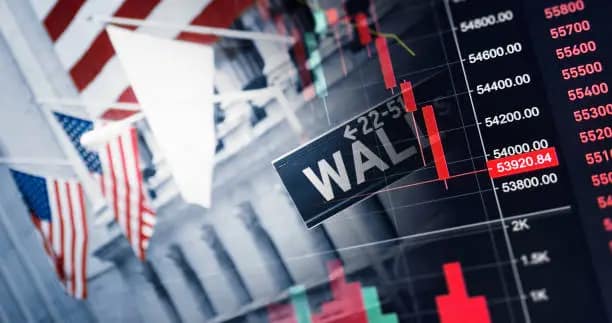
Retail Investors Pull Back as Wall Street Faces Growing Market Volatility
Retail investors are stepping back as U.S. markets face rising volatility. Discover why confidence is fading, what it means for Wall Street, and what to expect next.
The U.S. stock market is moving into a tense and uncertain phase, and the behavior of retail investors—everyday traders who helped fuel some of the biggest rallies of the last few years—is now signaling a dramatic shift in sentiment. For months, retail traders were known for stepping in aggressively whenever stocks dipped, cushioning declines and helping drive powerful rebounds. But that confidence is fading fast.
Recent market data shows that retail investors are no longer rushing to “buy the dip.” Instead, many are stepping back, holding cash, or selling into weakness. Their retreat comes at a time when Wall Street is facing increasing volatility, weakening momentum in tech giants, and broader fears about the strength of the U.S. economy. This sudden change is raising alarms, as retail investors have become a major force in the market since 2020.
In this article, we’ll explore why retail investors are pulling back, what this means for the market, and how the shift could shape the coming weeks in U.S. finance.
Why Retail Investors Are Suddenly Backing Away
Over the past year, retail investors helped support rallies during rate changes, earnings seasons, and political shifts. But several factors are now pushing them to the sidelines:
1. Market Volatility Is Rising
Sharp swings in tech stocks—especially high-growth names like Nvidia—and the recent dip in Bitcoin have rattled confidence. Retail traders who once embraced volatility are now treating it as a warning sign rather than an opportunity.
2. Fear of Overvaluation
Many individual investors believe the market became overheated, especially in AI-linked stocks. Concerns that major companies may not justify their valuations have grown stronger with each volatile session.
3. Uncertain Federal Reserve Outlook
The Federal Reserve has not given a clear signal on interest rate cuts or economic softening. Retail investors tend to react more emotionally to Fed uncertainty, and mixed messaging from policymakers has made the environment feel riskier.
4. Economic Data Delays
Recent government disruptions have slowed economic data releases, leaving investors without clear guidance. Without fresh indicators, retail participants prefer caution.
What Their Pullback Means for Wall Street
Retail investors now represent a significant share of daily volume in U.S. markets. When they pull back, the ripple effects are powerful:
1. Less Support During Sell-Offs
Markets depend heavily on dip-buyers to stabilize declines. When retail traders don’t step in, sell-offs can accelerate, creating sharper and faster drops.
2. Increased Dependence on Institutional Investors
Hedge funds and asset managers may need to take on more of the stabilizing role. But institutions often move more strategically—and sometimes more aggressively—than retail traders.
3. Higher Chance of Prolonged Downturns
Without retail enthusiasm, momentum-driven rebounds may not form as quickly. The market can stay in a downward trend longer, especially if institutional flows are negative.
4. Sentiment Signals a Mood Shift
Retail behavior often reflects broader public confidence. Their sudden fear could be an early warning for deeper consumer economic concerns.
The Trigger Event: A Wave of Market Fear
Over the past week, a combination of falling tech stocks, weakening crypto prices, and recession whispers created a “fear moment” on Wall Street. Retail traders reacted quickly, pulling out of positions and reducing exposure.
Tech Turmoil
Nvidia, which had been a powerhouse for months, faced a significant drop. Tech giants influence overall sentiment heavily, and when a major leader stumbles, retail confidence tends to fall with it.
Crypto Breakdown
Bitcoin’s slide hit the risk-on crowd hard. Many small investors treat crypto as a signal for broader market appetite. When Bitcoin falls dramatically, fear spreads quickly.
A Shift from Optimism to Caution
Earlier in the year, retail traders were encouraged by steady growth, strong corporate earnings, and AI-driven excitement. But now they see more red than green—and that change in mindset is driving withdrawal.
Is This the Start of a Larger Market Downturn?
Analysts are divided. While some believe current declines are temporary, others warn that the combination of fading retail support and rising macroeconomic uncertainty could signal the beginning of a broader correction.
Bullish View
Analysts who remain optimistic point to strong long-term fundamentals, improving earnings expectations, and potential economic stabilization over the next year. They argue that retail pullback is temporary—a “wait and see” response rather than a long-term trend.
Bearish View
Others warn that retail traders often act as early indicators of deeper problems. If everyday investors no longer believe in the rebound narrative, the market may struggle to regain momentum.
How Investors Can Navigate This Shifting Climate
Whether you’re a new retail investor or an experienced trader, the current environment requires a more cautious, strategic approach:
1. Focus on High-Quality Stocks
Companies with strong balance sheets, healthy cash flow, and steady earnings tend to hold up better during downturns.
2. Avoid Emotional Trading
Market fear can push investors to make rushed decisions. Patience and discipline are key.
3. Monitor Federal Reserve Updates
Any signal of rate cuts or economic easing could shift market sentiment quickly.
4. Consider Diversification
A mix of sectors—tech, financials, industrials, and healthcare—can reduce risk and smooth volatility.
5. Stay Informed
Market trends can change rapidly. Following reliable financial news helps investors avoid costly mistakes.
Final Thoughts
Retail investors stepping back from buying dips marks a critical shift in the U.S. financial landscape. Their hesitation is sending a clear message: fear is rising, confidence is falling, and the market is entering a more fragile phase. While this doesn’t guarantee a downturn, it does signal that volatility may continue—and that investors must navigate carefully.
As Wall Street faces this uncertain moment, the behavior of retail traders could determine whether markets stabilize… or slide further into red territory. For now, all eyes remain on their next move.

Leave a Reply