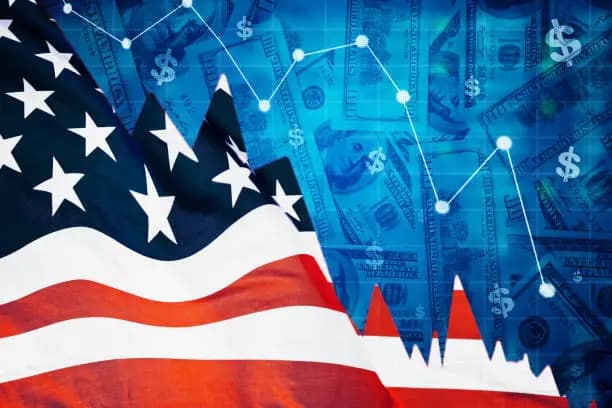
U.S. stocks surged after the Federal Reserve cut interest rates, igniting investor optimism for more easing ahead. Here’s what the rally means for the economy, tech stocks, and global markets.
Markets Reignite as the Fed Delivers a Critical Rate Cut
U.S. financial markets roared back to life after the Federal Reserve delivered a widely anticipated interest rate cut, sending stocks sharply higher and rekindling hopes that a sustained bull run may be underway. The move marks a significant shift in monetary policy after months of elevated borrowing costs that weighed heavily on businesses, consumers, and investor sentiment.
The Dow Jones Industrial Average surged, the S&P 500 advanced strongly, and the Nasdaq Composite also climbed as traders reacted to the central bank’s decision to lower rates. Beyond the immediate market reaction, optimism is now building that the Fed could deliver additional rate cuts in the coming months—an outlook that could reshape market trends moving into the new year.
For investors, this moment could mark a turning point after a long period of economic uncertainty, inflation fears, and volatile trading conditions.
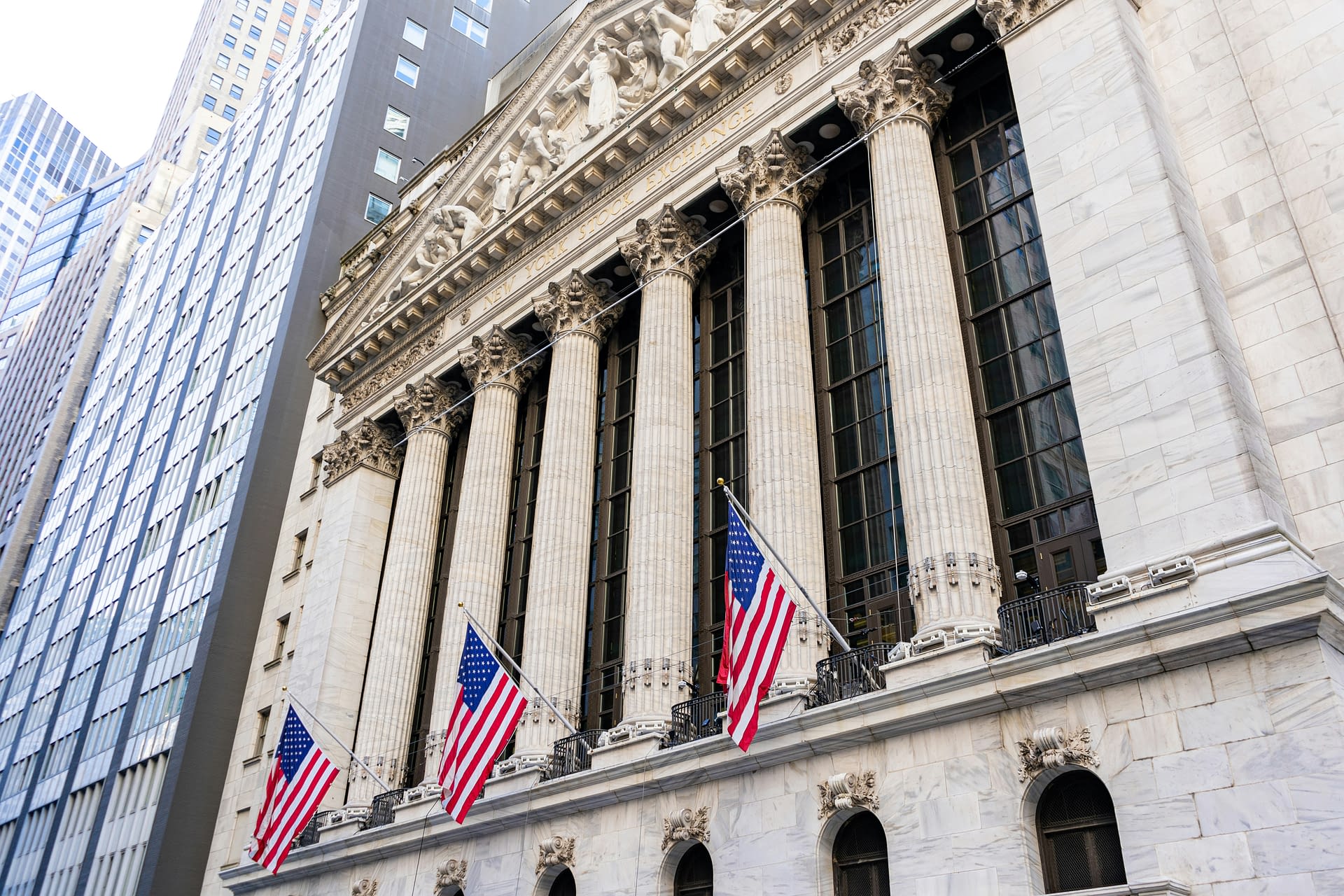
Why the Fed’s Rate Cut Matters So Much
Interest rates play a central role in determining how money moves through the economy. When rates are high, borrowing becomes expensive for companies and consumers, slowing spending, hiring, and investment. When rates fall, economic activity often accelerates as loans become more affordable and businesses feel confident enough to expand.
The Federal Reserve’s decision to lower rates signals that policymakers are increasingly confident inflation is under control and that economic growth needs support. This shift has several immediate effects:
- Cheaper borrowing for businesses, allowing expansion and job creation
- Lower costs for mortgages, auto loans, and credit cards for consumers
- Increased attractiveness of stocks compared to bonds, driving equity prices higher
- Renewed risk appetite across global markets
Investors are interpreting this cut as the beginning of a broader easing cycle rather than a one-off adjustment.
Wall Street’s Reaction: A Market-Wide Rally
The rally following the Fed’s announcement was broad-based. Gains were not limited to just one sector. Instead, buying activity spread across:
- Technology stocks, particularly AI and semiconductor companies
- Financial shares, which benefit from stronger lending activity
- Industrial stocks, buoyed by hopes of increased capital spending
- Consumer discretionary companies, expected to gain from improved spending power
Mega-cap tech stocks once again led much of the momentum, with AI-driven optimism remaining a powerful force in the market. Investors are betting that lower rates will help justify the high valuations that dominate the technology sector.
Bond Yields Fall, Dollar Weakens: Fuel for Risk Assets
The stock surge was reinforced by movements in other key markets. U.S. Treasury yields dropped following the rate cut, reducing the returns on safer government bonds. As yields fall, equities become more attractive in comparison.
At the same time, the U.S. dollar weakened, which tends to support:
- U.S. multinational companies by boosting overseas earnings
- Commodity prices such as oil and gold
- Emerging market assets that benefit from a softer dollar
Together, these forces created a near-perfect storm for risk-on trading behavior.
The AI and Tech Factor Remains Central
Technology and artificial intelligence stocks continue to dominate the U.S. market narrative. Over the past year, AI-related companies have carried major indexes to record highs, sometimes masking weakness in other parts of the economy.
The Fed’s rate cut adds more fuel to this trend. Lower interest rates support growth stocks, especially those with long-term revenue expectations like AI firms. However, this also raises questions about sustainability, as critics warn that parts of the tech sector may be overheating.
Still, for now, momentum remains firmly on the side of the bulls.
What This Means for the U.S. Economy
Beyond the stock market, the Fed’s decision sends important signals about the broader economy. It suggests that:
- Inflation is easing closer to acceptable levels
- Economic growth is slowing enough to justify stimulus
- Policymakers want to prevent a deeper downturn
Lower rates could provide relief to sectors that have struggled under tight financial conditions, including housing, manufacturing, and small businesses. Mortgage rates, in particular, could gradually decline, potentially reviving housing market activity.
However, risks remain. Consumer debt is still high, job growth is uneven, and geopolitical tensions continue to pose threats to global stability.
Investors Now Betting on More Rate Cuts
The most powerful driver of the current rally is not just the rate cut itself, but the belief that more cuts could follow. Financial markets are forward-looking, and traders are now pricing in the possibility of additional easing if inflation continues to cool and economic growth softens further.
This expectation is exactly what is powering the renewed buying pressure across major indexes. If future data supports this outlook, markets could remain elevated well into the next year.
However, if inflation unexpectedly rises again, or if economic data reaccelerates too quickly, the Fed could be forced to pause or reverse course—an outcome that could quickly destabilize markets.
What Smart Investors Are Watching Now
With the rally gaining speed, investors are now focused on several key indicators:
- Upcoming inflation reports
- Jobs and wage growth data
- Corporate earnings for major tech and financial firms
- Further guidance from Federal Reserve officials
The direction of these data points will largely determine whether this rally becomes a sustainable long-term trend or a short-term reaction to easy policy expectations.
Final Thoughts: A Market Awakened, But Not Without Risk
The Federal Reserve’s rate cut has undeniably brought life back into U.S. markets. Stocks are rising, investor confidence is improving, and hopes of prolonged economic support are spreading quickly across Wall Street.
Yet, beneath the optimism lies a careful balance. The same forces that drive markets higher—AI enthusiasm, cheap money, and risk appetite—can quickly reverse if expectations change.
For now, the message from the market is clear: the bulls are back in control, at least for the moment. Whether this transforms into a lasting rally will depend on the delicate interplay between inflation, growth, corporate profits, and the Fed’s next moves.
One thing is certain—after months of hesitation, uncertainty, and mixed signals, the U.S. stock market has roared back to life.
https://apnews.com/article/27ae743a2289c9870b0be4d2ddd6589a?

Leave a Reply