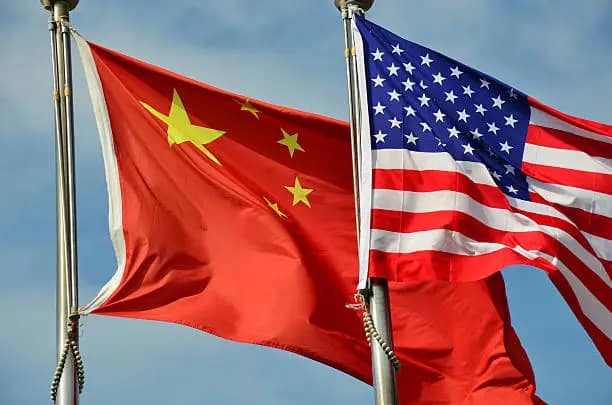
China Unleashes New Front in Trade War Against U.S. | Fundrahub.com
China intensifies its trade war with the U.S., shifting the battle to the financial sector and shaking investor confidence. Here’s what it means for global markets.
China Escalates the Trade War
The trade battle between People’s Republic of China and United States has taken a sharp turn.
China has officially opened a new front in the ongoing trade war — this time targeting financial links that tie the two largest economies together.
The move, announced earlier this week, came as Beijing matched new U.S. port fees and went further by tightening restrictions on American-owned financial entities operating in China.
This decision instantly rattled Wall Street, pushing U.S. stocks lower and sending investors rushing toward safer assets like gold and Treasury bonds.
💬 “This is no longer just about tariffs. It’s about money, credit, and access to financial systems,” said one market analyst in New York.

🏦 What China’s Move Means
Until now, the U.S.–China trade war was mainly focused on goods and tariffs — who pays more to import and export. But this new front targets the financial arteries of the global economy:
- 🏛 Capital market restrictions: China has signaled it may limit U.S. financial institutions’ access to its domestic capital markets.
- 💱 Tighter financial cooperation: U.S. banks, investment funds, and insurers face potential regulatory hurdles.
- 📊 Increased scrutiny: Beijing plans to review flows of U.S.-based capital more closely.
This could slow down billions of dollars in cross-border investment and disrupt financial activity between the two countries.
Immediate Market Reaction
Global investors reacted quickly to the news.
- U.S. stock indexes opened lower on fears of deeper economic fallout.
- The U.S. dollar weakened slightly, while gold prices rose as traders looked for safety.
- Bond yields also dipped, signaling investors were moving away from risky assets.
Meanwhile, Asian markets showed mixed reactions. Some investors expect Beijing to apply more pressure over time, while others believe negotiations may resume if the economic pain becomes too big for both sides.
A Strategic Shift by China
Experts say this is a calculated move by Beijing.
By targeting financial systems, China is signaling it’s willing to play hardball in areas where the U.S. has traditionally had more leverage.
- The U.S. relies on global financial dominance — the dollar is still the world’s main reserve currency.
- By tightening financial flows, China aims to show it has tools beyond tariffs.
- This step is also meant to pressure Washington to return to negotiations.
“China just opened a powerful lever in the trade conflict. This is a smart but risky move,” explained a trade expert in Singapore.
Why This Matters to the Global Economy
This isn’t just a U.S.–China issue. The two countries are at the heart of the global trade and financial system. When they fight, the world feels it.
- Market Volatility — Investors around the globe become nervous, pushing markets up and down.
- Supply Chain Disruptions — Companies dependent on stable U.S.–China trade may face uncertainty.
- 📉 Capital Flows — Global funds might shift to safer countries or assets, impacting currencies and interest rates.
- Investor Sentiment — Confidence is fragile, and this kind of escalation makes investors cautious.
Safe Haven Assets Gain Popularity
As tensions grow, investors often move their money into “safe haven” assets.
- Gold prices have surged, hitting record levels this week.
- Government bonds — especially U.S. Treasuries — saw increased demand.
- Some investors also looked to stable currencies like the Swiss franc.
This behavior shows that global investors are preparing for potential economic turbulence in the months ahead.
What Happens Next?
The next steps depend on how both sides respond:
- If the U.S. retaliates with new restrictions or tariffs, the conflict may deepen further.
- If both sides return to the negotiating table, tensions might cool — but the damage to market confidence could linger.
- Financial experts warn that the longer this fight lasts, the bigger the impact on global growth.
The International Monetary Fund has already warned that a prolonged trade and financial war between these two economic giants could shave off nearly 1% of global GDP over time.
What This Means for Investors (ELI5)
Let’s break it down simply:
- When China and the U.S. fight, markets get shaky.
- Big investors move their money to safer places, like gold and bonds.
- Businesses slow down because they don’t like uncertainty.
- This can make prices and currencies go up and down fast.
- Even if you’re not in the stock market, these fights can affect everyday prices around the world.
Conclusion
China’s decision to unleash a new financial front in its trade war with the U.S. marks one of the most serious escalations since the conflict began.
This is more than a tariff battle — it’s a contest over economic power and financial influence.
For now, investors are watching closely.
If the conflict grows, expect more volatility.
If talks resume, markets may stabilize.
Either way, this moment could shape how the world’s two largest economies interact for years to come.

Leave a Reply