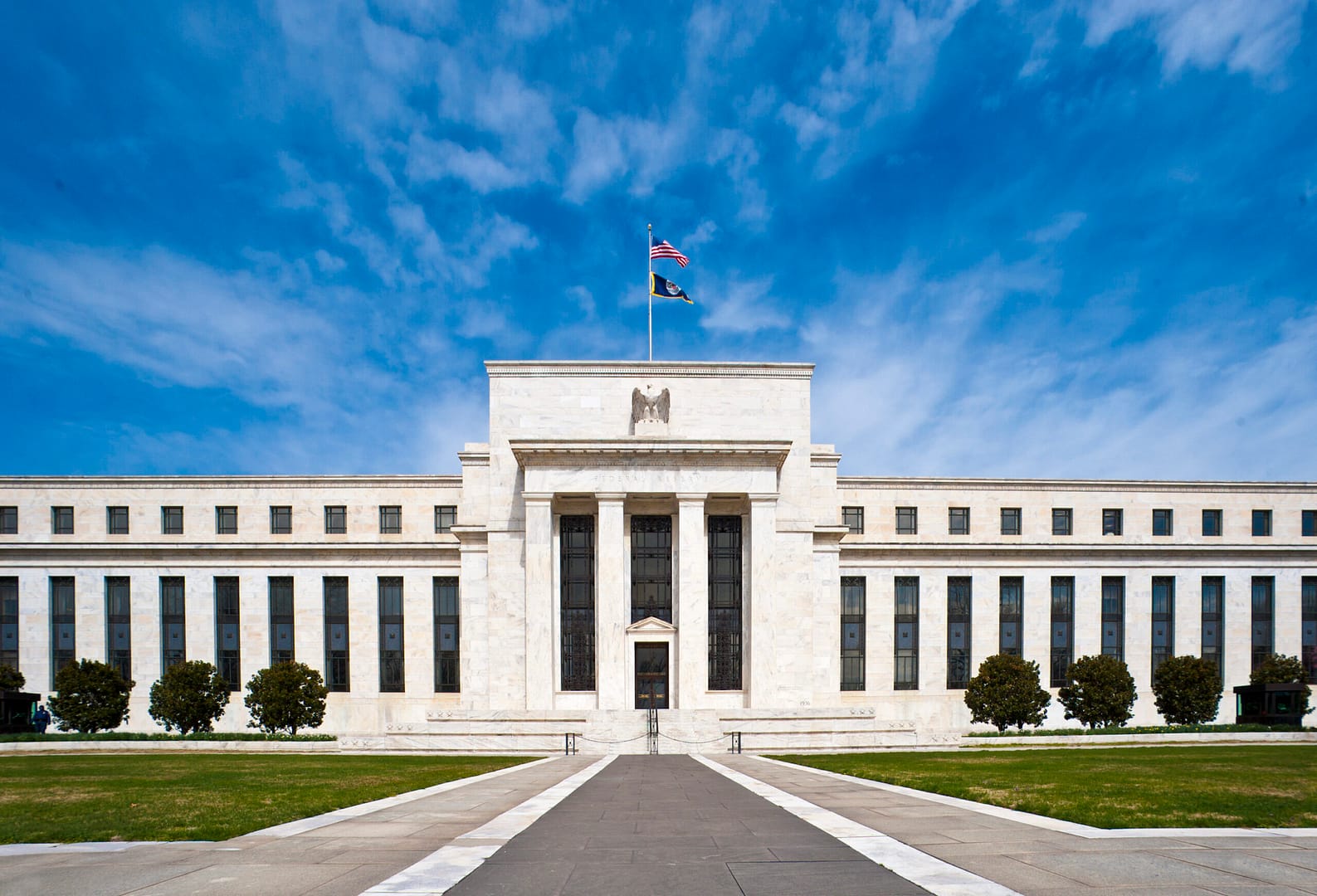
“U.S. banks and the Federal Reserve are moving in opposite directions, creating a sharp divide in market signals. Investors are watching closely as liquidity tensions grow.”
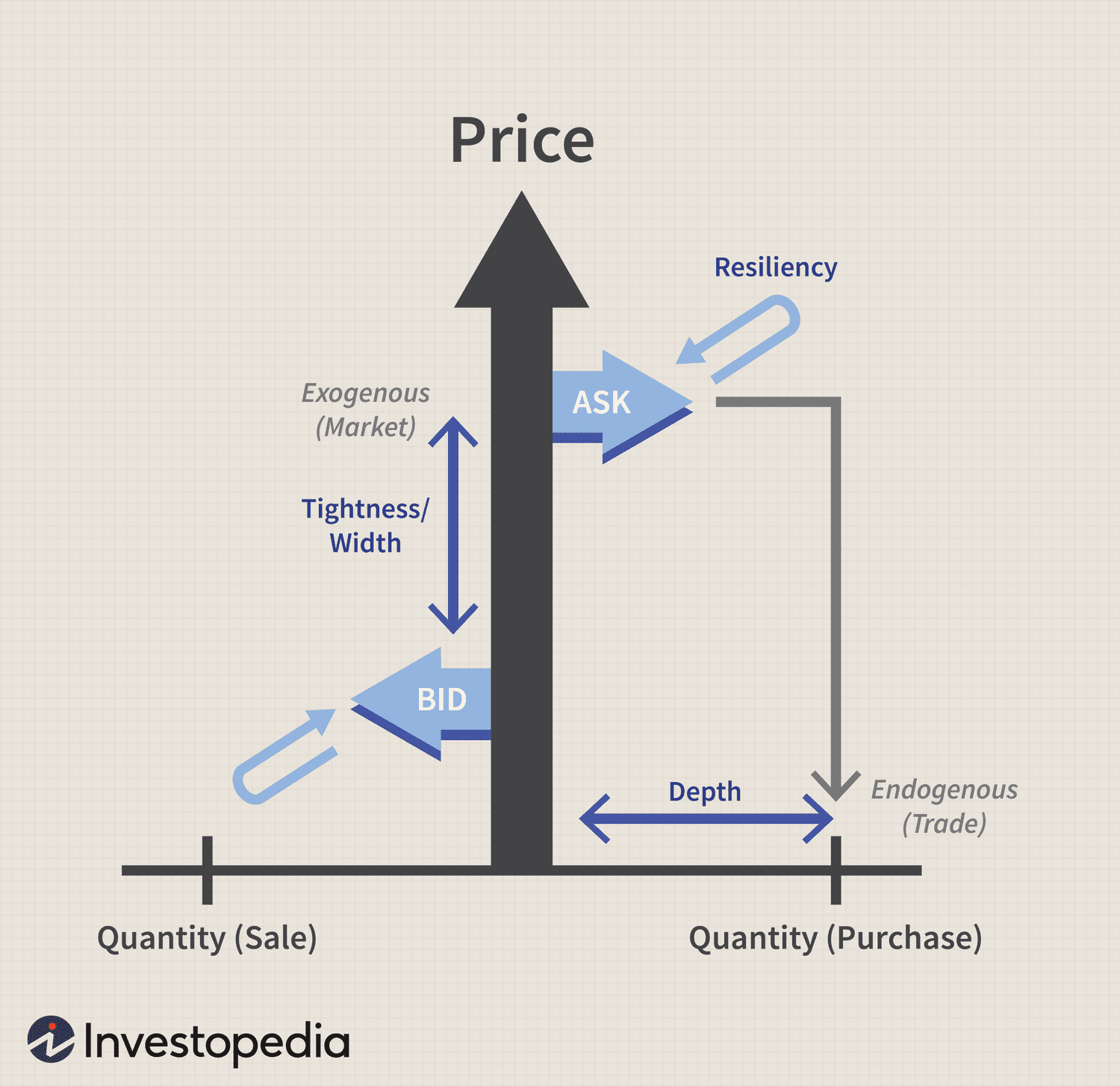
A Growing Divide Between the Fed and U.S. Banks
The relationship between Federal Reserve and major U.S. banks is showing clear signs of strain. While the Fed is sending signals of tightening liquidity, banks across the country appear to be operating in a world where cash is abundant. This split is creating confusion in the markets, raising questions about which side truly reflects the real state of the economy.
Investors, analysts, and policymakers are closely watching this growing divide. Many believe that this “two-track reality” could shape market behavior in the coming months — and possibly fuel unexpected volatility.
The Fed’s Tightening Signals
The Fed has spent much of 2025 emphasizing tighter financial conditions, signaling caution to cool down inflationary pressures. Officials have pointed to lower reserve balances in the banking system, declining usage of liquidity facilities, and tightening in overnight funding markets as evidence that liquidity is draining.
This stance has also influenced interest-rate expectations. Futures markets are now pricing in two potential rate cuts later in the year, but the Fed’s tone suggests they want to manage inflation carefully before making any moves. The message is clear: liquidity won’t stay easy forever.
Yet, at the same time, banks don’t seem to be feeling the squeeze.
Banks Say Liquidity Is Strong
Across Wall Street and beyond, many banks report robust liquidity and stable funding conditions. Deposit levels remain healthy, lending activity is picking up in certain segments, and credit quality hasn’t deteriorated significantly.
Executives from several major institutions have noted in earnings calls that “the system remains flush with cash” — a sharp contrast to the Fed’s warnings.
This liquidity comfort is encouraging banks to maintain lending levels, expand investment portfolios, and take advantage of a market that appears resilient despite broader macroeconomic uncertainty.
Why This Mismatch Matters
When the Fed and banks send conflicting signals, it creates a fog of uncertainty for investors. Markets rely on consistent cues from monetary policy and financial institutions. A divergence like this can lead to:
- Volatility in bond and stock markets as traders struggle to interpret liquidity conditions.
- Policy misalignment, making the Fed’s job of steering the economy harder.
- Investor hesitation, as conflicting narratives make it difficult to form clear strategies.
This gap also raises deeper questions: Is the Fed overestimating the impact of its tightening measures, or are banks underestimating future risks?
Economic Data Adds Complexity
The divide comes at a time when the U.S. economy is sending mixed signals.
- Growth has been slower than expected, largely due to the ongoing 2025 United States federal government shutdown, which is draining billions from the economy weekly.
- Inflation has eased, but remains sticky in some sectors.
- Labor markets are stable, but hiring momentum has cooled.
These conflicting data points make it harder to determine which side — the Fed or the banks — has the more accurate picture of the real economy.
Expert Voices Weigh In
Financial strategists and economists are divided. Some argue that the Fed is right — liquidity is drying up, but banks haven’t fully felt the impact yet. Others believe banks are better positioned to sense real-time financial flows and that the Fed may be reacting to lagging indicators.
“What we’re seeing is a timing mismatch,” said one senior strategist.
“The Fed is tightening, but banks are still sitting on massive reserves. The impact will show up with a delay — and that’s where risks build up.”
This delay could create pockets of vulnerability in funding markets if conditions tighten abruptly later this year.
How Markets Are Reacting
So far, investors appear cautious but not alarmed. The S&P 500 and Dow Jones Industrial Average have posted modest gains this week, helped by optimism around AI-driven tech stocks. Treasury yields remain relatively stable, suggesting that markets are still betting on Fed flexibility later in the year.
However, if the liquidity gap widens further, analysts expect higher volatility in credit and bond markets. This could spill over into equity valuations and corporate financing costs.
What This Means for Investors
For retail and institutional investors, this “two worlds” situation requires extra caution. Here are a few key takeaways:
- Watch the Fed’s language closely. If the central bank sticks to its tightening stance, liquidity conditions could shift suddenly.
- Monitor bank earnings and balance sheets. If banks begin to feel the pinch, market sentiment could flip quickly.
- Diversify portfolios and manage risk. In uncertain liquidity environments, defensive strategies can provide stability.
- Stay alert to credit markets. Tensions often surface there first before spilling into stocks.
Looking Ahead
Whether the Fed or the banks are “right” may not be the main issue. What matters most is how and when the gap between their realities closes.
If the Fed slows down tightening and liquidity remains strong, markets could rally further. But if banks suddenly adjust to tighter conditions, investors could see a sharp repricing across multiple asset classes.
Either way, this liquidity divide is becoming one of the most important financial stories to watch in the U.S. economy this quarter.
https://www.reuters.com/markets/us/fed-us-banks-seem-be-different-worlds-2025-10-16/?utm

Leave a Reply