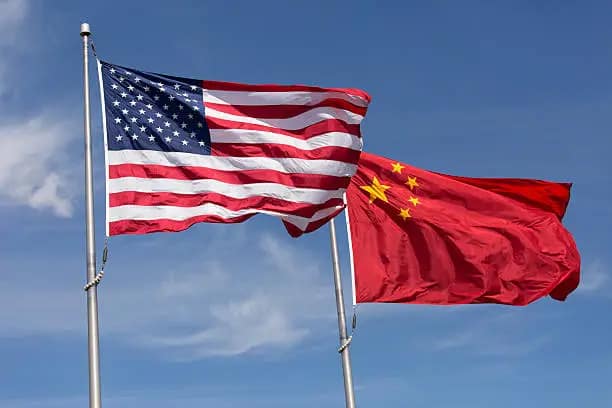
Trump eases China tariff threats, sparking a Wall Street rally. Investors eye new trade talks that could ease inflation and boost market confidence.
Washington, D.C. — October 18, 2025
Global markets reacted with cautious optimism today after former President Donald Trump signaled that his administration’s threatened 100% tariffs on Chinese imports are “not sustainable” in the long run. The remarks — made during a press event at the White House — mark a notable shift in tone and could pave the way for renewed trade negotiations between the U.S. and China.
This development comes after weeks of mounting trade tensions that rattled investors, lifted volatility, and weighed on global equity markets. A softer stance from Washington is now being interpreted as a potential turning point in the ongoing trade dispute.
Why Trump’s Statement Matters
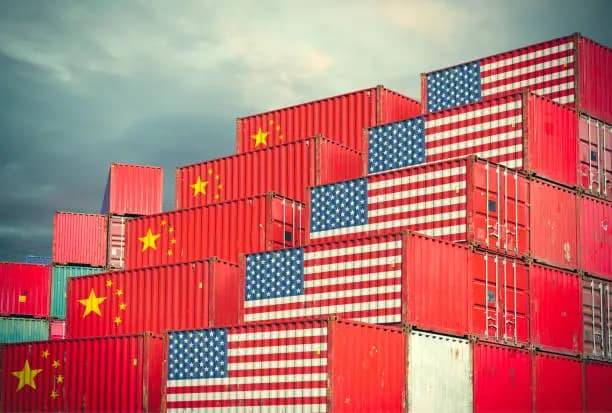
The initial threat to impose 100% tariffs on Chinese goods sent shockwaves through financial markets earlier this month. Traders feared a full-blown trade war that could slow global growth, push inflation higher, and tighten corporate profit margins.
But Trump’s acknowledgment that such tariffs are “not sustainable” immediately eased market fears. U.S. Treasury yields ticked lower, the dollar stabilized, and equity futures rose in premarket trading.
“This is a meaningful signal that the administration is open to a negotiated outcome,” said one Wall Street strategist. “It’s not a done deal, but it’s a step away from the brink.”
For investors, the statement reduces near-term uncertainty — and uncertainty is one of the biggest threats to market confidence.
Market Reaction: Relief Rally Begins
U.S. stocks moved higher following Trump’s comments:
- The Dow Jones Industrial Average gained more than 250 points.
- The S&P 500 rose 0.9%.
- The NASDAQ Composite jumped 1.2% as tech shares rallied.
Investors poured back into risk assets, while traditional safe havens like gold eased slightly from record highs. The move also sparked a rebound in Asian and European markets overnight.
Analysts say the rally reflects both relief and hope — relief that tariffs may not escalate further, and hope that formal U.S.–China trade talks can resume in the coming weeks.
Trade Talks Back on the Table
U.S. Treasury Secretary Scott Bessent is expected to meet Chinese Vice Premier He Lifeng in Malaysia next week to explore possible de-escalation steps. According to senior officials, the two sides may discuss reducing tariff levels, agricultural imports, and tech sector cooperation.
While no formal agreement is guaranteed, the return to diplomatic dialogue is being viewed as a positive development by both investors and global institutions.
“This could be the spark that brings some stability back to the market,” said a senior economist at a leading investment bank. “Even partial progress would send a powerful signal.”
💬 Expert Insight: Markets Still on Edge
Despite the relief rally, experts warn that markets remain sensitive to any new negative headlines. Tariff policy is one of the biggest macro risks currently weighing on U.S. and global growth forecasts.
- A breakdown in talks could reignite volatility.
- Higher tariffs would likely drive up consumer prices.
- Prolonged uncertainty could slow capital investment.
Investors are being urged to stay cautious but opportunistic — keeping exposure to sectors like technology, manufacturing, and commodities balanced.
Broader Economic Impac
Trump’s comments also highlight how trade policy directly influences inflation, interest rates, and growth expectations. A tariff truce could ease inflationary pressures, making it easier for the Federal Reserve System to maintain its current policy path without aggressive rate hikes.
In addition, improved trade relations could support corporate earnings, encourage foreign investment, and strengthen the U.S. dollar’s role in global trade flows.
For consumers, it could mean less pressure on prices for goods ranging from electronics to household products — a politically sensitive topic in an election year.
What to Watch Next
The next two weeks will be crucial. Key signals investors will monitor include:
- Official announcements about the Malaysia trade meeting.
- Any statements from Beijing indicating willingness to compromise.
- Reactions from major U.S. trading partners.
- Market performance in sensitive sectors like semiconductors and energy.
A successful negotiation — even a partial one — could extend the current market rally and reduce fears of a global slowdown. On the other hand, a collapse in talks could trigger another wave of risk aversion.
Conclusion: A Pause, Not a Pivot
Trump’s tariff retreat is a significant but cautious step toward lowering trade tensions. It doesn’t end the U.S.–China economic rivalry, but it gives markets a window of optimism.
For investors, this may be an opportunity to rebalance portfolios and position for potential upside — while keeping risk management front and center.

Leave a Reply