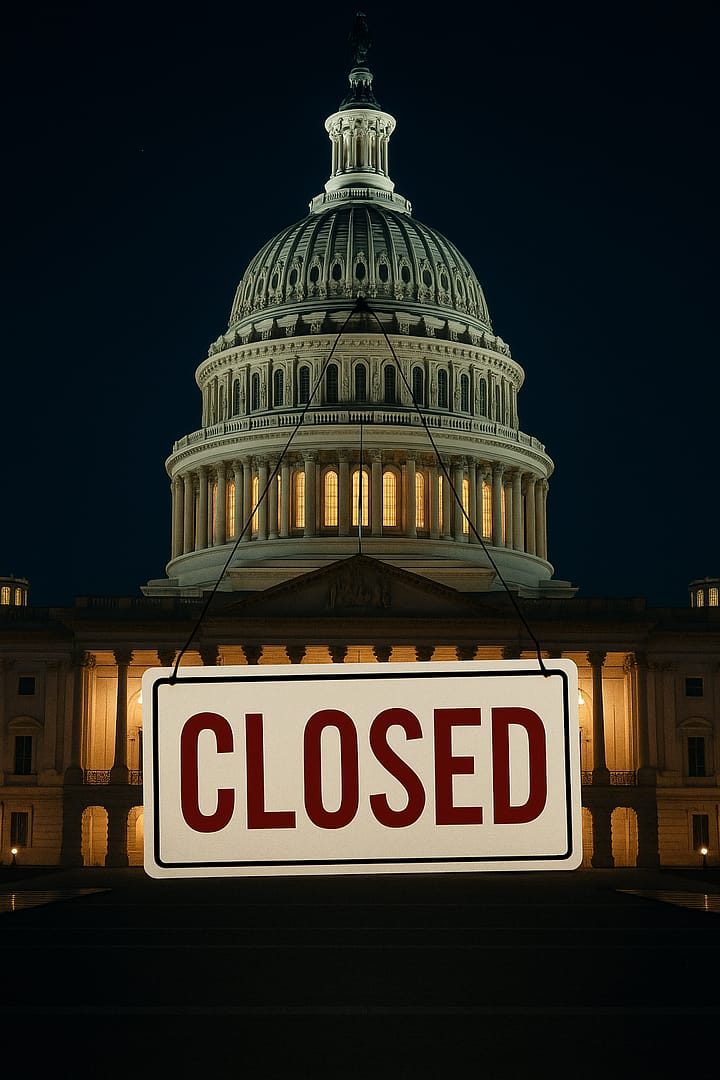
The U.S. government shutdown is putting markets on edge, raising fears of slower economic growth and financial instability. Here’s what investors should know.
The U.S. government shutdown is entering uncharted territory, and global markets are paying close attention. While political battles in Washington continue, investors are increasingly worried that an extended shutdown could slow economic growth, shake financial confidence, and delay critical data releases.
The uncertainty is putting pressure on markets, with traders, businesses, and policymakers all watching how long the deadlock will last — and what it means for the U.S. economy.
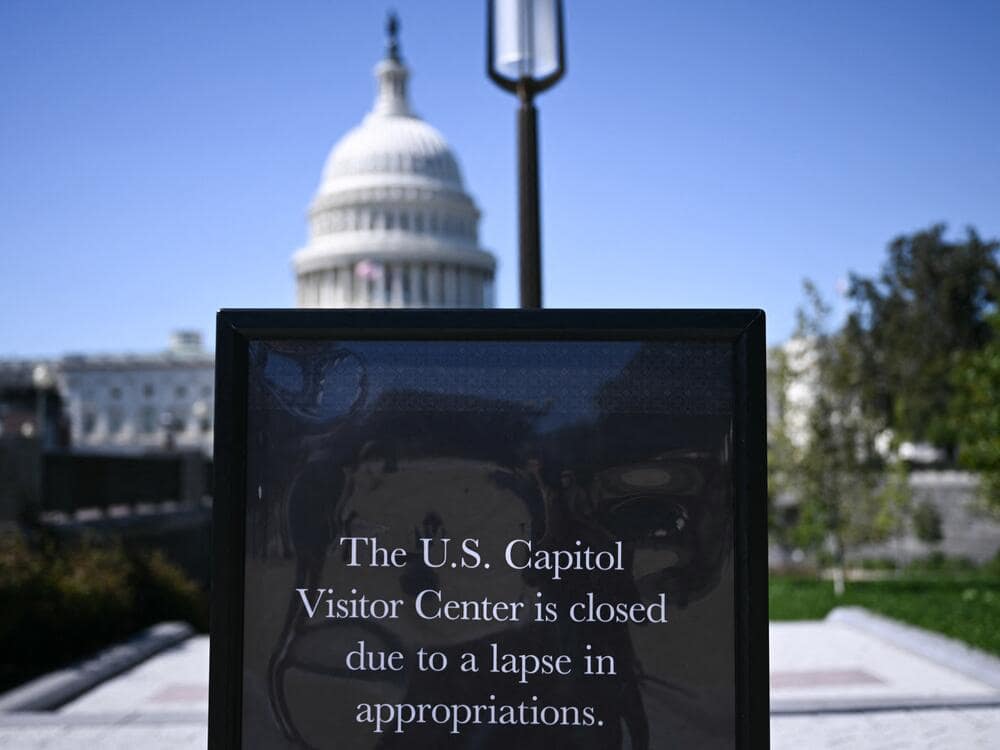
What’s Behind the Shutdown?
A government shutdown happens when Congress fails to pass funding bills, forcing federal agencies to partially or fully close. This means hundreds of thousands of federal workers are furloughed, many government services are suspended, and critical data releases are delayed.
This year’s standoff is particularly serious. Lawmakers remain divided over spending priorities, and analysts warn the shutdown could last until Thanksgiving, making it one of the longest in U.S. history.
Immediate Economic Impact
While short shutdowns have limited economic effects, prolonged ones can significantly damage growth. Here’s why:
- Federal Worker Furloughs
Hundreds of thousands of government employees are temporarily out of work, reducing consumer spending and weakening local economies — especially in cities with a large federal presence. - Delayed Economic Data
Key reports like jobs numbers, inflation data, and retail sales are delayed, making it harder for businesses and investors to make informed decisions. The lack of clarity also complicates the Federal Reserve’s policy moves. - Reduced Business Confidence
Shutdowns create uncertainty, which discourages investment, slows hiring, and can affect stock market performance. - Tourism & Services Losses
National parks and museums closing can lead to millions in lost revenue for tourism-dependent businesses across the country.
Economists estimate that each week of shutdown can shave 0.1 % to 0.2 % off U.S. GDP growth — and that impact compounds quickly if the standoff drags on.
Market Reactions
Financial markets are already showing signs of strain:
- Stock Volatility Rising
Investors are moving cautiously. Sectors sensitive to government activity — defense, infrastructure, and transportation — are seeing increased pressure. - Bond Yields Climbing
Uncertainty and a lack of economic data are pushing 10-year Treasury yields higher. This raises borrowing costs for businesses and households. - Investor Sentiment Weakening
Market sentiment surveys show growing concern that an extended shutdown could undermine U.S. economic momentum heading into year-end.
Global Ripple Effects
The U.S. is the world’s largest economy, so what happens in Washington doesn’t stay in Washington.
- Global Investors Are Watching Closely
A prolonged shutdown weakens confidence in U.S. fiscal stability. Foreign investors may slow purchases of U.S. assets, adding pressure to bond yields. - Currency Fluctuations
The U.S. dollar often sees turbulence during extended political standoffs, affecting global trade and capital flows. - Emerging Markets Could Feel the Squeeze
Tighter U.S. financial conditions often trigger outflows from emerging markets, creating added pressure on developing economies.
Warning Signs for the Economy
Unlike previous shutdowns, this one overlaps with other sensitive economic factors:
- The Federal Reserve is preparing to adjust interest rates, but without reliable economic data, its decisions become riskier.
- Inflation remains elevated, meaning a fiscal slowdown could complicate monetary policy.
- Consumer confidence may erode faster if workers go unpaid for weeks.
This combination of policy uncertainty + slower spending + delayed data is why many analysts call this shutdown a “market risk event.”
What Investors Should Do
Savvy investors aren’t panicking, but they are adjusting strategies to weather potential turbulence:
- Focus on Defensive Stocks: Companies in sectors like utilities, health care, and consumer staples may be less vulnerable to economic swings.
- Watch Treasury Yields: Rising yields could signal deeper market stress — or opportunities for income-focused investors.
- Hold Adequate Liquidity: During uncertain times, maintaining some cash or short-term safe assets can provide flexibility.
- Avoid Emotional Decisions: Market volatility often spikes around political events. Long-term strategy beats short-term panic.
What This Means for Ordinary Americans
Even if you’re not on Wall Street, a prolonged shutdown can affect you directly:
- Delayed Paychecks: Federal workers may miss pay periods.
- Loan & Mortgage Costs: Rising bond yields can push mortgage rates higher.
- Weaker Job Growth: Business uncertainty can slow hiring.
- Market Fluctuations: 401(k)s and other investments can experience volatility.
For households already facing high living costs, this adds another layer of financial stress.
Final Thoughts: Uncertainty Is the Real Threat
The U.S. government shutdown is more than just a political fight — it’s a real economic event with the potential to ripple across the entire financial system.
If the shutdown drags on into November, the risks to jobs, growth, and markets will increase sharply. For now, investors are on edge, waiting to see whether lawmakers will strike a deal or push the economy closer to a tipping point.

Leave a Reply