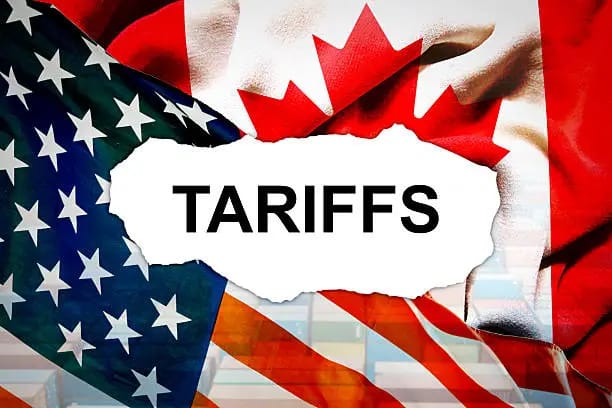
The U.S. and Canada are locked in a new tariff battle that’s shaking investor confidence. Markets react sharply as fears of a trade war grow.
1. A Sudden Trade Shock That No One Saw Coming
Markets were thrown off balance today after Washington abruptly announced a new round of tariffs on Canadian steel, aluminum, and industrial imports. The move — described by analysts as a “tariff shocker” — is already rippling through global markets.
In response, Ottawa warned it would strike back with retaliatory tariffs on U.S. agricultural goods, consumer products, and key manufacturing imports.
The U.S.–Canada trade relationship is one of the largest in the world, and this escalation has caught many on Wall Street by surprise. With inflation easing and the markets on a rally, investors weren’t expecting a trade flare-up that could threaten global supply chains again.
“This is the last thing markets needed right now,” said one strategist. “Trade tensions between close allies tend to have fast, unpredictable consequences.”
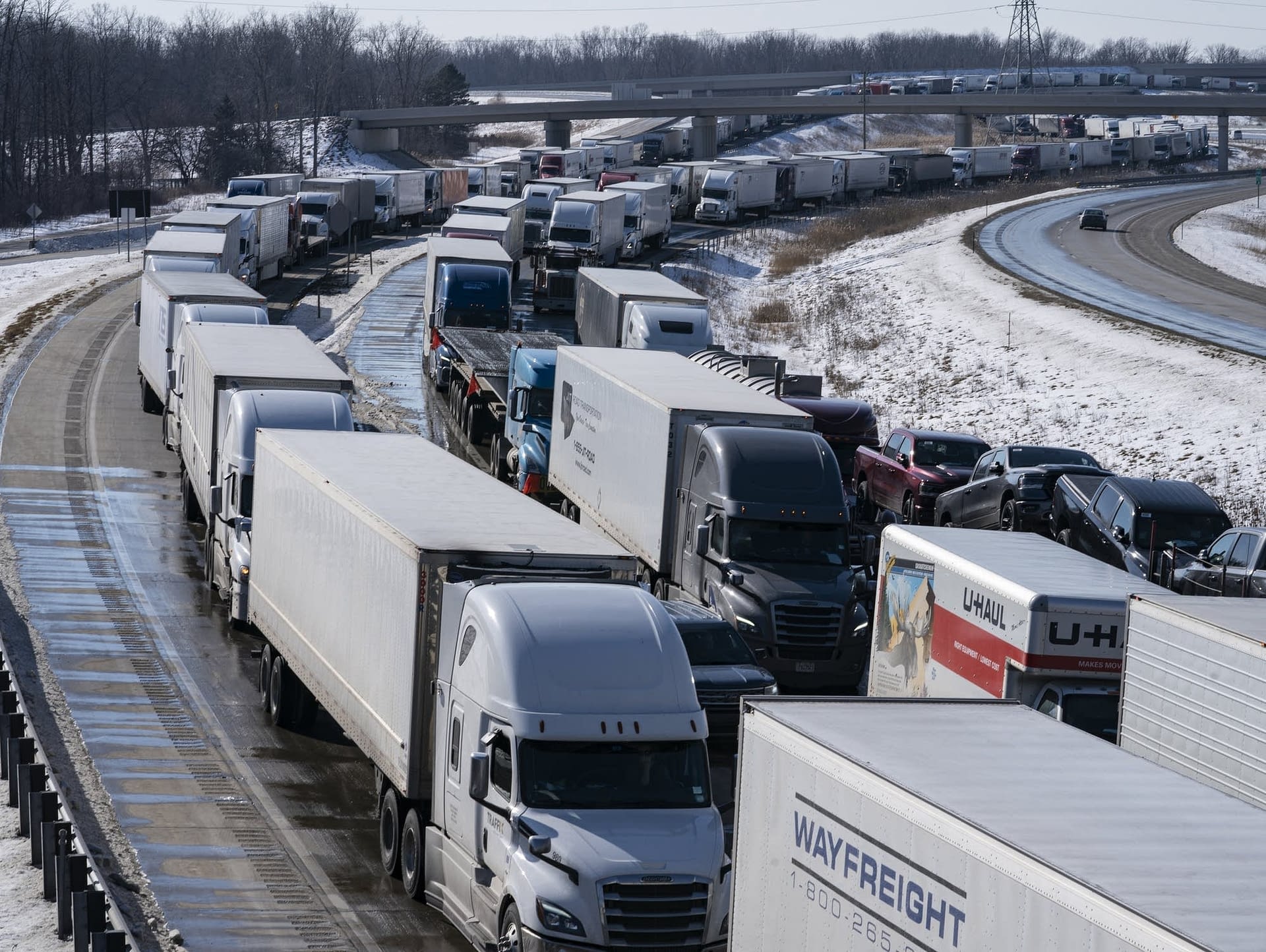
2. Market Reaction: Stocks Lose Steam as Traders Re-price Risks
Wall Street had been rallying on softer inflation data, but the tariff headlines sucked some air out of the market.
- The S&P 500 fell slightly from record levels as investors shifted toward defensive positions.
- The Dow Jones Industrial Average gave up early gains, weighed down by industrial and agricultural names.
- The Canadian dollar weakened against the U.S. dollar, reflecting uncertainty over economic fallout.
- Gold and Treasury bonds saw safe-haven inflows, signaling that investors were growing cautious.
This isn’t full-blown panic, but it’s a clear warning: markets are beginning to price in the risk of an extended trade fight.
3. Why This U.S.–Canada Rift Matters So Much
Unlike distant geopolitical flare-ups, this one hits close to home. Canada is America’s second-largest trading partner, with over $800 billion in annual trade.
Tariffs on steel, aluminum, and autos don’t just affect border factories — they disrupt entire supply chains:
- U.S. carmakers depend on Canadian steel and components.
- Construction and energy industries rely on cross-border materials.
- Agriculture flows in both directions, and retaliatory tariffs could hurt farmers.
The timing is especially sensitive. With the Federal Reserve expected to cut rates soon, a trade war could undermine market optimism just as conditions were improving.
4. Investor Sentiment: Anxiety Creeps Back
Investors had spent weeks celebrating falling inflation and record stock highs. This tariff surprise is forcing a quick mental shift from “risk-on” to cautious positioning.
- Hedge funds are hedging positions with gold and bonds.
- Traders are eyeing sectors most exposed to tariffs — autos, industrials, agriculture.
- Analysts warn that prolonged trade uncertainty could cool earnings growth.
If the dispute escalates, it could trigger a broader risk-off wave — something markets haven’t dealt with in months.
5. Global Markets Feel the Ripples
The shock wasn’t contained to North America.
- In Europe, the FTSE 100 and DAX wobbled on concerns about slowing trade flows.
- Asian markets are preparing for potential knock-on effects in manufacturing exports.
- Commodity markets saw minor volatility, particularly in metals and energy.
Global investors know well that trade wars rarely stay local. Even small tariff moves between the U.S. and Canada can ripple across supply chains worldwide.
6. Key Dates to Watch
This story is still developing — and markets are on alert.
- Next week: Canada is expected to unveil its retaliatory tariff plan.
- Upcoming Fed meeting: A dovish signal could soften the blow, but hawkishness may worsen sentiment.
- G20 Summit: Trade tensions are likely to dominate discussions among global leaders.
The next few weeks could define whether this is a short-term flare-up or the beginning of a more damaging trade standoff.
7. Sectors at the Epicenter of the Storm
This tariff clash won’t hit every sector equally. Here’s who’s most exposed:
- Automotive: Cross-border auto manufacturing faces cost shocks.
- Construction & Manufacturing: Steel and aluminum tariffs increase material costs.
- Agriculture: Retaliation from Canada could squeeze U.S. farmers and exporters.
- Financials & Energy: Indirect exposure via macro volatility and commodity pricing.
Investors are already rotating away from these industries into more defensive or rate-sensitive sectors.
8. What Investors Can Do Right Now
While panic isn’t the right response, smart positioning matters.
Consider these strategic moves:
- Diversify across less tariff-sensitive sectors like tech and healthcare.
- Monitor Treasury yields and Fed signals closely.
- Use pullbacks in strong companies as potential entry points.
- Keep an eye on trade headlines — in situations like this, markets can turn on a single tweet.
9. The Bigger Picture: Trade Shocks + Monetary Policy
This tariff fight comes at a delicate economic moment. With inflation cooling and rate cuts on the horizon, investors were expecting a smooth ride into year-end.
Now, trade uncertainty could complicate that narrative. If tariffs drag on growth or fuel supply-chain inflation again, the Fed may need to walk a tighter line between cutting rates and controlling inflation.
Markets love clarity. Trade wars bring the opposite.
10. Conclusion: Uncertainty Returns
The “Tariff Shocker” between the U.S. and Canada is a stark reminder that even strong markets are vulnerable to geopolitical shocks.
While it’s too early to call this a full-blown trade war, the initial market jitters are real. Investors will be watching every headline, every tariff list, and every political statement in the days ahead.
If diplomacy prevails quickly, this could be a short-lived dip. But if tensions rise, it might mark the first real test of Wall Street’s rally.

Leave a Reply