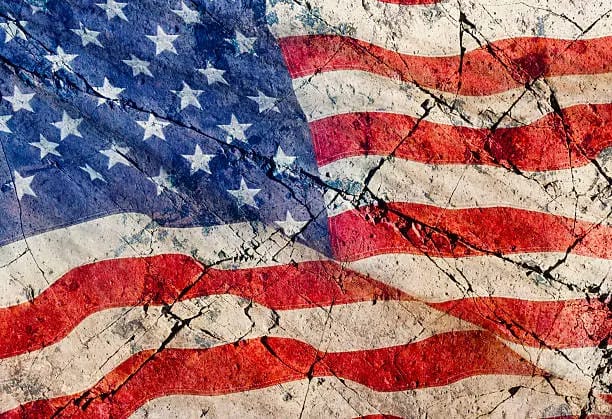
Cracks in the American Dream: Middle Class Cuts Push U.S. Economy to the Edge
America’s middle class is cutting back on spending, threatening the fragile U.S. economy. Inflation, debt, and fading confidence push growth to the brink.
The American economy, long seen as the world’s symbol of resilience, is showing worrying fractures — and they’re appearing right where it hurts the most: the middle class.
Recent data suggests that U.S. consumer spending, the engine that powers nearly 70% of GDP, is slowing sharply. The middle class — often called the backbone of America — is cutting back on discretionary spending, dining out less, and shelving big purchases. The result? A ripple effect that’s beginning to shake the confidence of businesses, investors, and policymakers alike.
The Middle Class Retreat: A Silent Shockwave
For decades, middle-class Americans were the heartbeat of the economy. From home ownership to back-to-school shopping, their spending kept the nation’s financial system humming. But today, the story is shifting.
Rising prices, stubborn inflation, and mounting debt have left many households on the edge. According to a recent Federal Reserve report, more than 60% of U.S. adults now live paycheck to paycheck — a figure that has grown steadily since the pandemic’s end.
Families are prioritizing essentials: groceries, rent, and utilities. Meanwhile, spending on travel, electronics, and even basic leisure has dropped. Retailers are noticing. Big names like Target, Macy’s, and Home Depot have warned investors of “consumer fatigue,” signaling that the era of easy spending may be over.
An Economy Built on Fragile Foundations
Economists are calling this phase the “Jenga Tower Effect” — every missing dollar of spending pulls one block from the foundation of the broader economy.
When the middle class cuts back, small businesses feel it first. That pain then travels up the chain — to suppliers, manufacturers, and even large corporations that depend on consistent consumer demand.
It’s a dangerous feedback loop: lower spending weakens growth, and weaker growth breeds fear, leading to even less spending.
Wall Street’s optimism is starting to fade too. Despite recent rallies in tech stocks, financial analysts warn that equity markets are “priced for perfection.” Any sign of consumer weakness could send shockwaves across the S&P 500 and beyond.
Inflation’s Lingering Bite
While official inflation rates have cooled from their 2022 peaks, the cost of living remains painfully high. Groceries are up over 25% since 2020. Housing affordability has hit a 40-year low. Credit card interest rates, now averaging above 22%, are at record highs.
Middle-class families are feeling squeezed from every direction — wages aren’t keeping up, and savings buffers are gone.
A senior economist at Bank of America put it bluntly:
“We’re watching the middle class lose confidence. It’s not just about affordability anymore — it’s about stability and trust in the system.”
Policy Makers Walk a Tightrope
The Federal Reserve now faces a daunting balancing act. If it cuts rates too soon, inflation could roar back. But if it waits too long, the spending pullback could push the economy into recession.
Recent speeches by Fed officials suggest a tone of caution: they recognize the risks of over-tightening but fear fueling another inflation spike. The political pressure is mounting too. With an election year approaching, economic sentiment could define the outcome.
Meanwhile, the federal government is wrestling with its own fiscal headaches. The ongoing budget standoff and partial shutdown have only added uncertainty, delaying funding for infrastructure, education, and small-business support.
Wall Street’s Jitters Mirror Main Street’s Pain
The markets are watching every consumer-data release like a hawk. When earnings reports from companies like Walmart or Amazon show slower sales growth, investors react instantly.
Despite strong performance in tech and AI sectors, other parts of the economy — retail, manufacturing, and housing — are flashing warning signs. Even credit-rating agencies have started sounding alarms about rising household debt and weakening confidence.
In the bond market, yields remain elevated, signaling investor anxiety about long-term growth.
The Emotional Toll: From Optimism to Uncertainty
Beyond the numbers, there’s a psychological shift happening. The American middle class, once fueled by optimism and opportunity, is becoming more cautious, even skeptical.
Surveys show that nearly 70% of U.S. consumers believe the economy is “headed in the wrong direction.” Many blame policymakers, while others point to corporate greed and automation displacing jobs.
The “American Dream” — the belief that hard work guarantees upward mobility — now feels fragile to millions. That perception, economists warn, could become a self-fulfilling prophecy.
Can the Dream Be Saved?
Despite the gloom, hope isn’t lost. Analysts say strategic rate cuts, real wage growth, and energy-cost stability could reignite confidence. The U.S. still has one advantage: innovation. From AI to green energy, new sectors could create jobs and lift household incomes.
But for now, the system feels stretched thin. Each cautious consumer, each delayed purchase, adds another wobble to the Jenga tower. The question is no longer whether the economy will slow — it’s how much strain it can take before something gives way.
Bottom Line
America’s middle class is sending a message loud and clear: the balance between aspiration and affordability has snapped. Unless policymakers and corporations act quickly to restore stability, the cracks in the American Dream could widen into a full-blown economic fault line.
https://finance.yahoo.com/news/jenga-tower-us-economy-teeters-110000726.html?utm
Leave a Reply