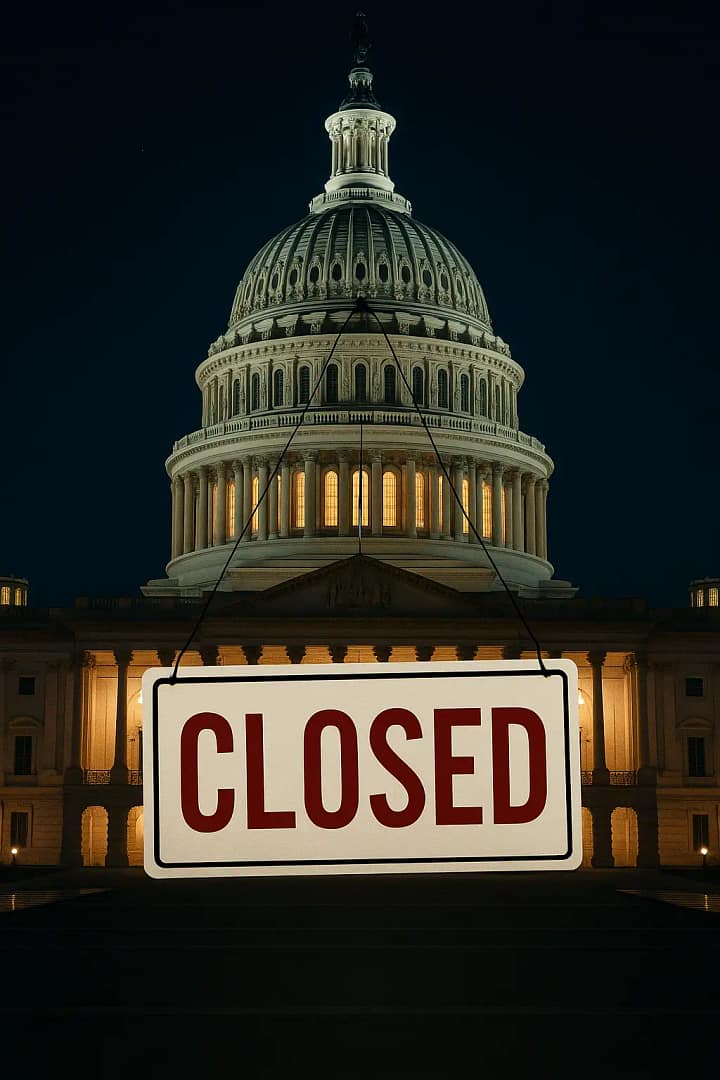
A historic U.S. government shutdown sparks uncertainty in Washington and markets, raising fears of economic slowdown and investor panic.
Washington Grinds to a Halt
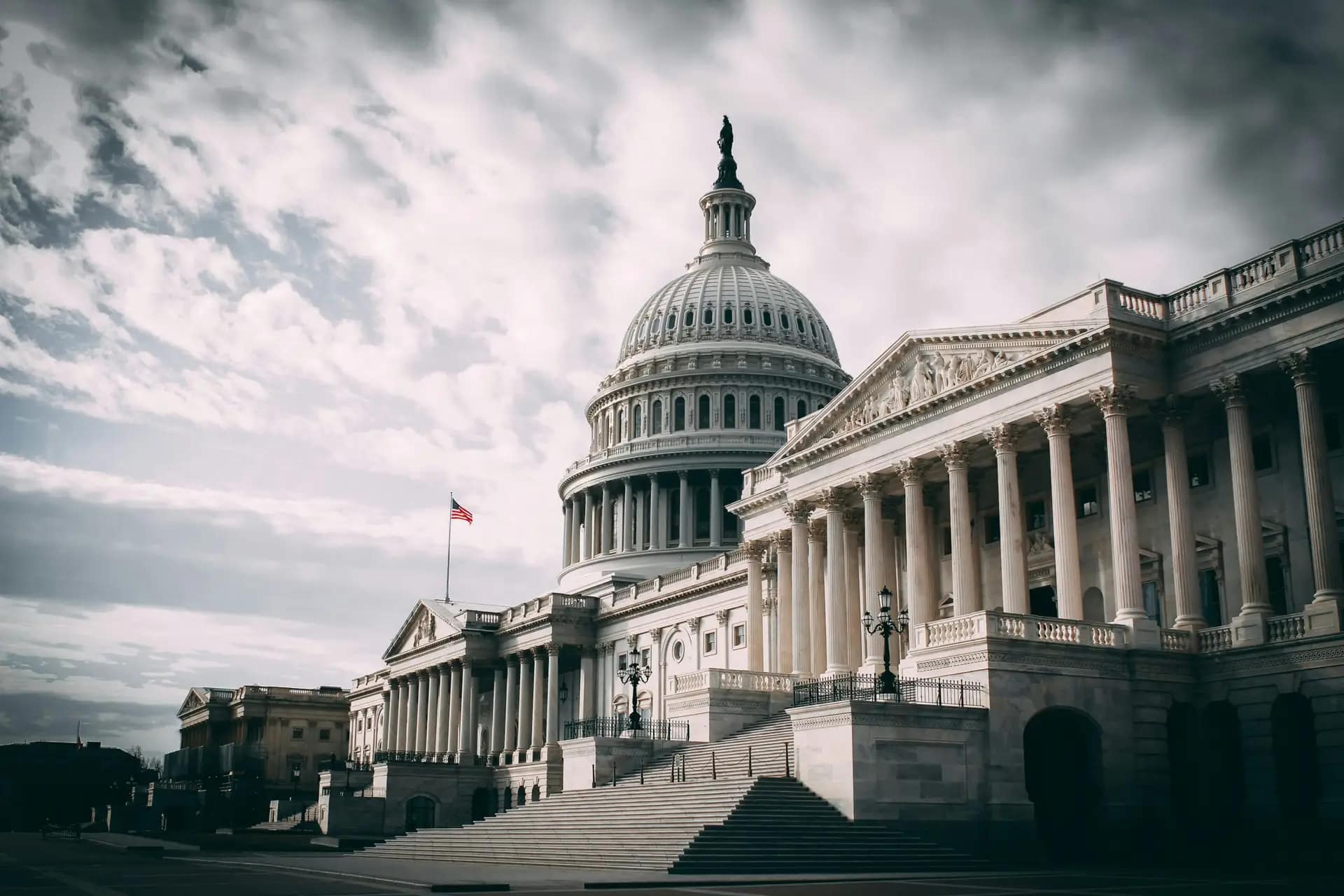
The U.S. federal government officially shut down this week after lawmakers failed to pass a new funding bill, causing a political standoff that has thrown Washington and the entire country into uncertainty.
Thousands of federal employees have been furloughed, agencies have paused many operations, and markets are nervously watching for signs of prolonged disruption.
This shutdown, which began at midnight after Congress missed its deadline, is already being called one of the most consequential in U.S. history due to its scale and timing.
What Is a Government Shutdown?
Imagine your favorite shopping mall suddenly locking its doors because the owners couldn’t agree on how to pay the bills. That’s basically what’s happening at the federal level.
- Congress must pass funding bills each year to keep the government running.
- If they can’t agree, the money stops flowing, and many offices close until they do.
- Essential services like air traffic control, Social Security, and the military still operate, but many others—including research labs, parks, and parts of healthcare—pause or scale down.
This shutdown affects everything from government workers’ paychecks to economic data reports that investors depend on to make decisions.
Markets React with Nerves
Financial markets opened the week on edge.
- Stocks: The S&P 500 and Nasdaq both dipped slightly in early trading, as uncertainty about how long the shutdown will last spooked investors.
- Bonds: U.S. Treasury yields slid as traders rushed to the relative safety of government debt.
- Dollar: The U.S. dollar weakened against major currencies, while gold prices ticked higher—classic signs of risk aversion.
Analysts say if the shutdown drags on, it could slow economic growth by 0.1–0.2 percentage points per week and shake investor confidence. Prolonged shutdowns often delay business permits, loans, and government spending that support private companies.
Why It Matters for the Economy
- Federal Workers — Hundreds of thousands are either furloughed (unpaid leave) or working without pay. This reduces consumer spending temporarily.
- Public Services — Everything from passport processing to food safety inspections slows down, affecting businesses and households alike.
- Data Delays — Key economic reports, such as jobs numbers and inflation data, may be delayed, making it harder for markets and the Federal Reserve to make informed decisions.
- Investor Confidence — Political dysfunction tends to scare investors, especially global ones who rely on U.S. stability.
If the shutdown continues beyond two weeks, economists warn it could knock billions of dollars off U.S. GDP.
Politics at the Core
The shutdown stems from deep political divisions in Congress over budget priorities, immigration, and healthcare. Negotiations between both parties have stalled repeatedly, with neither side willing to compromise fully.
This political gridlock has also intensified ahead of next year’s elections, as each party tries to frame the shutdown to its advantage.
President and congressional leaders are under mounting pressure from businesses, unions, and voters to resolve the crisis quickly. However, talks remain tense, and no immediate breakthrough seems likely.
Global Impact
The U.S. government shutdown doesn’t just affect Americans — it sends ripples through the global economy.
- International markets often react to U.S. instability, as the U.S. dollar and Treasury bonds are considered safe havens.
- A prolonged shutdown could weaken the U.S.’s reputation for political stability, making foreign investors more cautious.
- Some international aid and programs funded by the U.S. may also face delays.
This historic shutdown is more than just a political fight in Washington — it’s a serious test for markets, the economy, and investor confidence.
If Congress reaches a deal quickly, the damage may be limited. But if the gridlock continues for weeks, the ripple effects could slow economic growth, rattle financial markets, and undermine global trust in U.S. governance.
For now, markets are holding their breath.
https://apnews.com/article/7735eb1b908f8bbb93fae48f5f0332c7?utm
Leave a Reply