
The Dollar Just Roared Back — And It’s Sending Waves Through Global Markets
The U.S. dollar surged to a three-month high as traders rethink Fed rate cuts, shaking global markets and currencies worldwide.
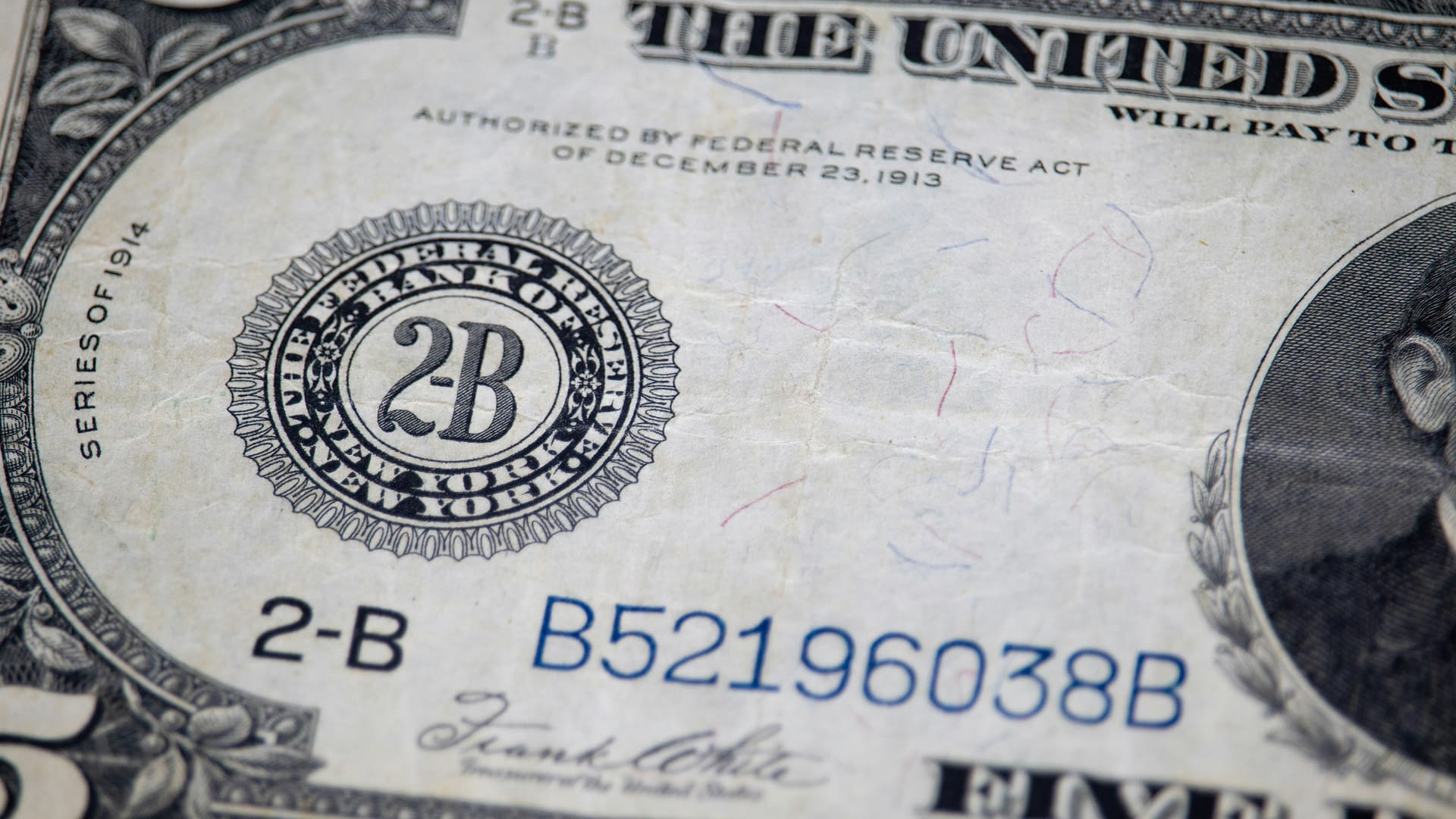
The U.S. dollar is back in the spotlight — and this time, it’s roaring. After weeks of mixed trading, the greenback surged to a three-month high, shaking global markets and forcing traders to rethink their expectations about where Federal Reserve policy is headed next.
For investors and policymakers alike, the dollar’s comeback is more than a simple currency swing. It’s a signal that the world’s financial mood is shifting, and that optimism about lower interest rates might have been premature.
A Powerful Comeback
The U.S. dollar strengthened sharply against major currencies including the euro, yen, and pound after new data suggested that the Federal Reserve may delay interest-rate cuts well into 2026. Traders who had priced in early rate reductions are now adjusting their bets — sending shockwaves through currency and bond markets.
According to Reuters, the dollar index — which tracks the greenback against a basket of major currencies — climbed to its highest level since early August. The move followed a series of hawkish signals from Fed officials, who warned that inflation remains “sticky” and that the central bank will proceed cautiously before cutting rates.
“The market got ahead of itself,” one analyst told Reuters. “The Fed is reminding everyone that inflation isn’t beaten yet, and the dollar’s strength reflects that reality.”
What’s Driving the Dollar’s Rally
Several key factors are fueling this latest surge in the dollar:
- Rate Outlook Shift:
Traders had expected the Fed to begin cutting rates as early as the first quarter of 2026. But recent comments from Fed Chair Jerome Powell suggested the central bank might hold rates higher for longer, boosting the dollar’s appeal to investors seeking yield. - Global Uncertainty:
With the ongoing U.S. government shutdown and sluggish growth in Europe and Asia, global investors are flocking back to the safety of the dollar — often seen as the world’s most reliable asset in turbulent times. - Economic Resilience:
U.S. employment and manufacturing data have been surprisingly strong, reinforcing the view that the U.S. economy remains resilient despite tighter monetary conditions. That strength gives the Fed more room to keep rates elevated, adding momentum to the dollar.
How Markets Are Reacting
The dollar’s surge has sparked volatility across asset classes.
- Gold prices dipped early Monday before recovering slightly, as a stronger dollar made the metal more expensive for foreign investors.
- Oil also fell more than 1%, pressured by both a firmer dollar and concerns about slowing global demand.
- Emerging-market currencies, from the Mexican peso to the South African rand, weakened as investors pulled back from riskier assets.
Equity markets were mixed. The Dow Jones Industrial Average edged lower as multinational companies faced potential currency headwinds, while financial stocks gained ground, benefiting from the prospect of higher interest rates for longer.
Why the Dollar Matters Globally
When the dollar rises, it doesn’t just affect American wallets — it reshapes global finance.
A stronger dollar makes U.S. exports more expensive, which can hurt American manufacturers but benefit foreign consumers. At the same time, it increases pressure on emerging markets that borrow in dollars, as their debt becomes more costly to service.
It also impacts commodity prices, since oil, gold, and many other raw materials are priced in dollars. When the greenback climbs, those goods typically fall in price, tightening margins for exporters and energy producers worldwide.
In short, a roaring dollar can send ripples — or even waves — through every corner of the global economy.
What This Means for Investors
For investors, the dollar’s comeback is both a warning and an opportunity.
Those betting on rate cuts and a softer dollar are being forced to reprice assets, particularly in the bond and currency markets. But for global investors seeking stability, the dollar’s renewed strength offers a haven amid uncertainty.
Foreign investors may find U.S. Treasuries more attractive, as yields remain high and the currency offers additional upside. Meanwhile, equity traders are keeping an eye on export-heavy sectors, which could see profits squeezed if the dollar continues to rise.
Looking Ahead
The big question now is: How long will the dollar’s rally last?
If inflation data shows further cooling, the Fed may resume its plan to ease policy in 2026 — which could take some strength out of the dollar. But if price pressures remain persistent or global uncertainty deepens, the greenback could stay dominant well into next year.
Economists also warn that political tensions — including the ongoing U.S. government shutdown and upcoming trade negotiations with China — could add another layer of volatility to global markets. In times like these, safe-haven currencies like the dollar often remain in high demand.
Bottom Line
The dollar’s roar is echoing far beyond Wall Street. What began as a simple rate-outlook adjustment has quickly turned into a global financial shift.
For traders, investors, and central banks around the world, this latest surge is a reminder of the dollar’s enduring power — and how swiftly it can shake markets when sentiment changes.
As one strategist put it: “When the dollar wakes up, the world pays attention.”
And right now, the dollar is wide awake.
Leave a Reply