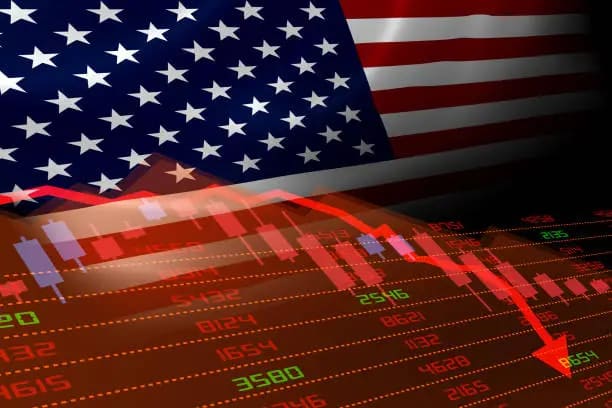
Global markets enter a dangerous decline as tech overvaluation fears and mixed Fed signals trigger a worldwide selloff. Here’s what’s driving the chaos.
Global financial markets are heading into one of their most turbulent weeks of the year, as fears of extreme tech stock overvaluation collide with mixed signals from the U.S. Federal Reserve. The result? A dangerous and fast-spreading decline across U.S. and global stock markets, leaving investors anxious, confused, and bracing for deeper losses.
This is not just another dip — it’s a moment of reckoning for the red-hot tech sector and a stress test for financial stability worldwide.
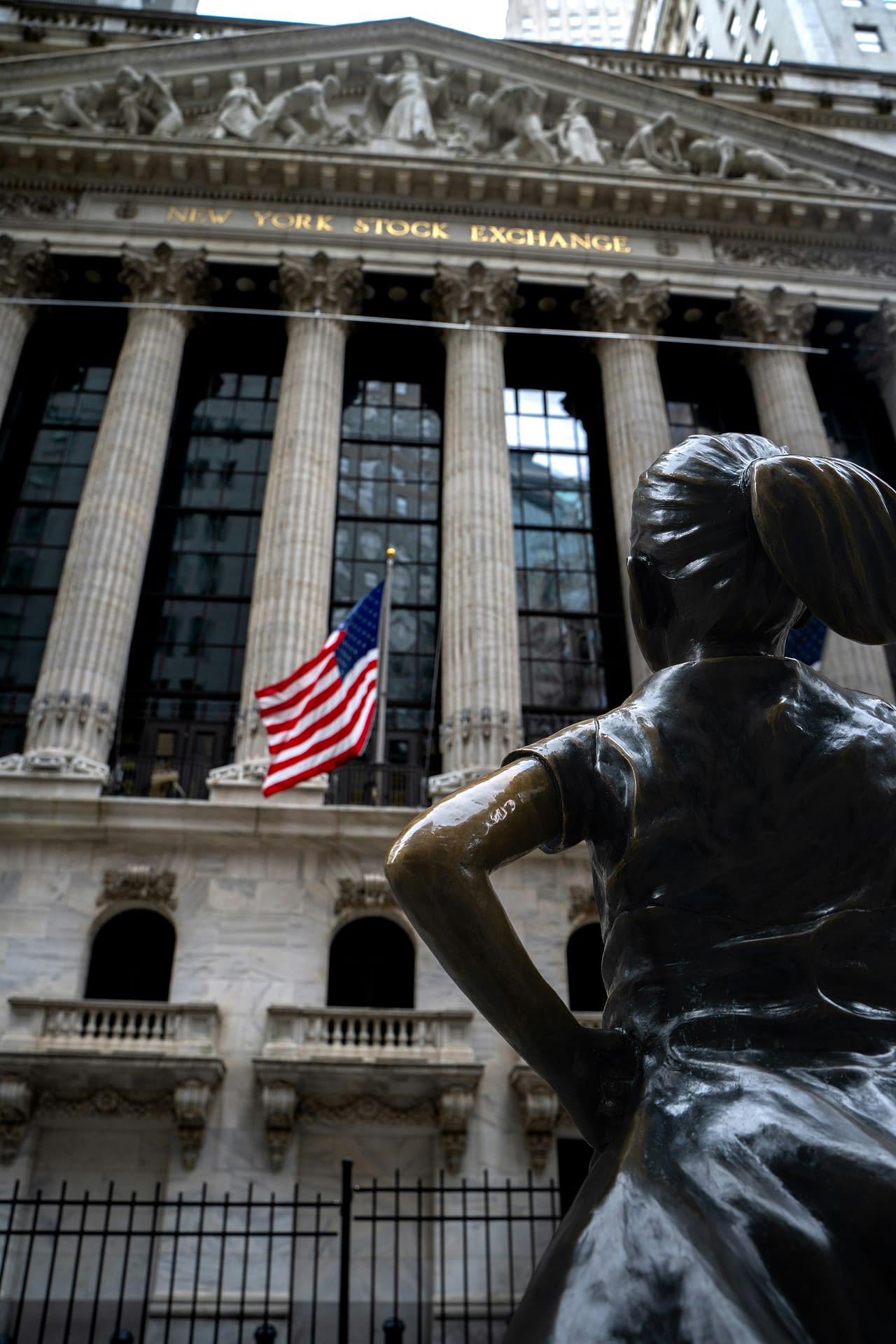
Tech Valuation Fears Reach a Breaking Point
For months, analysts have warned that the biggest U.S. tech companies were becoming too large, too fast, and too dependent on aggressive AI-driven projections. But this week, those warnings turned into full-blown market panic.
Many of the largest U.S. tech giants — the same companies that carried the market to record highs — are now leading the selloff. Rapid growth in artificial intelligence spending, unprecedented levels of corporate debt, and sky-high valuations have forced investors to rethink whether the tech sector’s explosive momentum is sustainable.
As investors pull back from risky positions, the tech-heavy Nasdaq has been hit the hardest, plunging sharply and dragging global markets with it. European, Asian, and emerging markets responded almost instantly, signalling just how interconnected the world’s financial system has become.
Mixed Fed Messages Add Fuel to the Fire
While tech valuations triggered the initial shock, the Federal Reserve’s unclear messaging has made the situation worse.
Investors went into the week expecting clearer signs of an upcoming rate cut. Instead, the Fed delivered a series of mixed, sometimes contradictory statements — leaving markets without a clear path forward.
Some Fed officials hinted at easing monetary policy soon, while others emphasized concerns about inflation staying too high. This uncertainty sent waves of confusion through Wall Street, where investors rely heavily on predictable Fed communication to position their portfolios.
In volatile markets, uncertainty is dangerous — and right now, it’s pouring gasoline on an already burning fire.
Global Markets Feel the Shockwaves
The panic is not limited to the U.S. Global markets have been mirroring the selloff in real time.
- Europe: Stocks in London, Frankfurt, and Paris all slipped into negative territory, with tech and banking sectors experiencing the biggest losses.
- Asia: Japanese and Chinese markets dipped sharply as investors fled risk assets and moved toward safer options such as bonds.
- Emerging markets: Rising dollar strength and U.S. volatility are pressuring currencies and stock exchanges across Africa and Latin America.
The message is clear: The world’s financial health is deeply tethered to the fate of the U.S. tech sector and Fed policy. When America shakes, the world trembles.
Investor Confidence Tanks as Volatility Surges
Investor sentiment has deteriorated rapidly. The VIX — Wall Street’s “fear index” — has spiked, signaling elevated uncertainty and fear across global financial markets. Many retail investors, who already suffered losses during earlier downturns, are reducing exposure to equities.
Large institutional investors are also repositioning, pulling cash into defensive assets such as Treasury bonds, gold, and high-yield savings accounts.
As confidence weakens, even minor news events are amplifying volatility. Markets have entered a hypersensitive mode where every economic report or policy comment triggers sharp price movements.
Is This the Beginning of a Broader Market Correction?
While it is too early to declare a long-term crash, the conditions for a deeper correction are becoming clearer:
- Overvalued tech stocks facing reality
- Rising corporate debt tied to AI expansion
- Mixed Fed signals undermining investor expectations
- Weak global economic sentiment
- Declining consumer confidence in the U.S.
If these forces continue to intensify, markets may experience a more extended period of instability.
Some analysts warn that the rapid expansion of AI-driven investment mirrors historical asset bubbles — and that any disappointment in earnings or adoption could cause further damage.
What Investors Should Watch Next
The next few days will be crucial for determining whether the decline stabilizes or accelerates. Key indicators include:
- Next Fed statements: Any clarification on interest rate direction may calm markets — or worsen the panic.
- Tech earnings updates: Weak reports could spark another round of selloffs.
- Bond market strength: Rising yields may further pressure stocks.
- Global currency movements: A stronger dollar typically hits emerging markets harder.
Investors will need to remain cautious, avoid emotional decisions, and closely track developments in both the tech sector and the Fed’s communication.
Final Thoughts
The unfolding market turmoil reflects a deeper truth: The global financial system is navigating a turning point. After years of tech-driven gains and cheap money, markets are being forced to confront fundamental questions about valuation, sustainability, and economic direction.
Whether this becomes a short-term shock or the beginning of a larger unraveling depends on how quickly confidence can return — and how clearly leaders in tech and monetary policy respond to the growing uncertainty.
https://www.reuters.com/world/china/global-markets-global-markets-2025-11-21/?utm_source

Leave a Reply