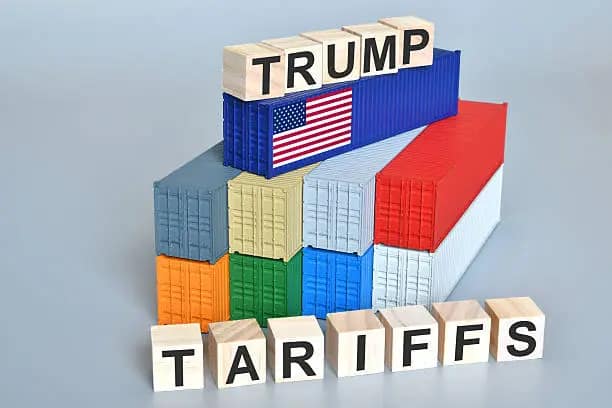
Major Economic Jolt: Trump Drops Tariffs to Combat Record-High Food Prices
President Trump announces major tariff cuts on beef, coffee, and bananas to relieve American families from soaring grocery costs, with markets reacting swiftly.
In a decisive move to address the skyrocketing cost of living, President Donald Trump announced sweeping reductions in tariffs on essential food items, including beef, coffee, and bananas. This aggressive action aims to provide immediate relief to millions of American families struggling under record-high grocery prices, sending shockwaves through both the markets and consumer sentiment.
The decision comes at a critical time. Inflation has been a persistent challenge in the U.S., with food prices climbing steadily over the past year. For families nationwide, the cost of everyday groceries has become a major financial burden. By cutting tariffs, the administration intends to reduce import costs, which will ideally translate into lower prices on supermarket shelves.
Immediate Market Reactions
The announcement triggered immediate reactions across U.S. financial markets. Investors in agricultural commodities and retail sectors watched closely as news of the tariff cuts broke. Stocks in companies that rely heavily on imported goods, such as grocery chains and food processors, experienced positive momentum due to the prospect of lower operating costs and improved profit margins.
Conversely, some sectors expressed caution. The abrupt policy shift creates uncertainty for domestic producers who had been benefiting from higher tariffs. Farmers and suppliers in certain industries may need to adapt quickly to the new pricing landscape. Nonetheless, the broader market reaction has been largely optimistic, as consumers anticipate tangible relief in household budgets.
Impact on American Families
For everyday Americans, the policy has immediate significance. Beef, coffee, and bananas are staples in many households, and their rising costs have been felt acutely in grocery budgets. Analysts project that tariff reductions could help lower prices by a notable margin over the coming months, easing financial pressure on families and boosting disposable income.
Economic experts suggest that even modest reductions in grocery costs can have a ripple effect, supporting consumer spending in other areas of the economy. Lower food prices could encourage households to allocate more resources toward housing, healthcare, and discretionary spending, providing a subtle but meaningful stimulus to overall economic activity.
Political and Economic Implications
Trump’s tariff cuts are not only an economic maneuver but also a politically strategic move. By acting decisively on an issue that directly affects voters, the administration signals responsiveness to public concerns. The timing of the policy, amid heightened economic anxiety and market volatility, underscores its significance in the broader context of national fiscal strategy.
From an economic standpoint, the tariff reductions aim to mitigate inflationary pressures without requiring changes to interest rates or other monetary policies. By addressing the supply side—specifically the cost of imported goods—the policy represents a targeted approach to easing consumer financial burdens while maintaining broader market stability.
Challenges and Considerations
Despite the positive intent, challenges remain. Domestic producers may face competitive pressures from lower-cost imports, potentially impacting local agriculture and food manufacturing. Additionally, the overall effect on food prices will depend on how quickly reductions are passed on to consumers, and whether retailers adjust pricing strategies accordingly.
Market analysts caution that while tariff cuts can provide immediate relief, long-term solutions to inflation require sustained policy measures, including monitoring supply chains, optimizing production efficiency, and ensuring balanced trade agreements.
Looking Ahead
As the policy is implemented, consumers and investors alike will be watching closely. The effectiveness of tariff reductions in reducing grocery prices could influence future policy decisions and inform economic strategies for managing inflation. Additionally, the move may set a precedent for addressing similar cost-of-living challenges in other essential sectors.
In the meantime, families can expect some relief at grocery stores, and the markets are likely to continue adjusting to the new economic dynamics. With strategic monitoring and careful execution, the tariff cuts could represent a significant step toward easing financial pressure for millions of Americans.

Leave a Reply