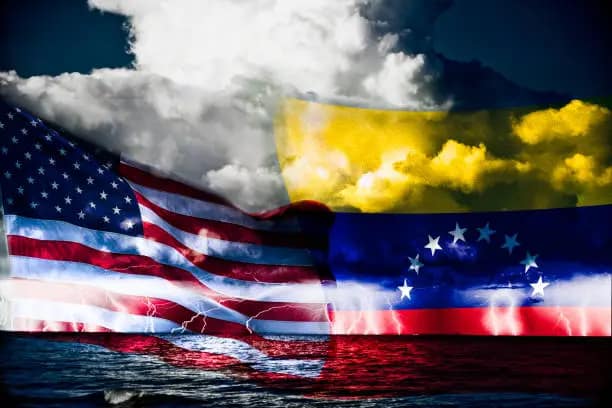
The White House confirms the U.S. will seize oil from a Venezuela-linked tanker, sparking global tension, market uncertainty, and diplomatic fears. Full breakdown of the crisis.
Introduction: A Global Shockwave
A political earthquake hit the global stage after the White House confirmed that the United States intends to seize the oil cargo aboard a Venezuela-linked tanker recently intercepted at sea. The announcement has sparked worldwide debate, rattled energy markets, and intensified concerns about a fresh wave of geopolitical tension between Washington and Caracas.
While tanker seizures are not new in maritime enforcement, the timing, location, and political weight behind this action have made it one of the most explosive developments in U.S. foreign policy this year. Analysts warn that this move could trigger retaliation, diplomatic standoff, or further economic destabilization in the region.
This blog breaks down what happened, why it matters, and what the world should expect next.
A High-Stakes Operation at Sea
According to official White House statements, U.S. authorities intercepted the tanker after monitoring months of suspicious cargo movements linked to Venezuela’s state-run oil networks. The vessel was boarded, secured, and the crew taken in for questioning as part of a sweeping sanctions-enforcement initiative.
What makes this event stand out is the clarity and force behind Washington’s next step:
the United States “does intend to seize the oil.”
This strong language signals a shift away from diplomatic caution and toward more decisive action. The decision also underscores the administration’s continued effort to apply pressure on Venezuela’s government, which has been under heavy sanctions for years.
White House Signals an Uncompromising Stance
During a press briefing, the White House emphasized that the U.S. is committed to enforcing sanctions without hesitation. Officials stressed that the tanker’s cargo violates multiple international and U.S. sanctions, and therefore must be confiscated.
Analysts believe the administration is sending a message on three levels:
- To Venezuela: The U.S. will not tolerate attempts to bypass sanctions.
- To global oil smugglers: Any vessel engaging in restricted trade is now a high-risk target.
- To international partners: Washington is reclaiming a more assertive foreign policy posture.
But the ripple effects go far beyond political messaging.
Venezuela Fires Back: Accusations of “Modern Piracy”
Almost immediately after the White House announcement, Venezuela’s government condemned the operation, calling it “an act of modern piracy.” Foreign ministry officials accused Washington of escalating tensions and destabilizing the region.
This response was predictable — but the tone was fiercer than many expected. Some experts believe Venezuela may seek to retaliate through diplomatic channels, international courts, or alliances with countries like Russia and Iran.
The rising hostility has stirred fears that this could evolve into a prolonged conflict impacting trade routes, oil markets, and foreign policy negotiations.
Global Markets React With Jitters
Oil markets were among the first to respond to news of the tanker seizure. Prices briefly spiked as traders evaluated the possibility of further supply disruptions. Even if the seized shipment represents a relatively small amount of crude, the psychological impact on global commodities was unmistakable.
Energy analysts warn that:
- Additional tanker seizures could follow
- Venezuela may reduce legitimate exports in retaliation
- Shipping companies could raise risk premiums
- Maritime insurance rates may climb
This combination of fear and uncertainty is enough to spark short-term volatility — especially in a market already vulnerable to geopolitical surprises.
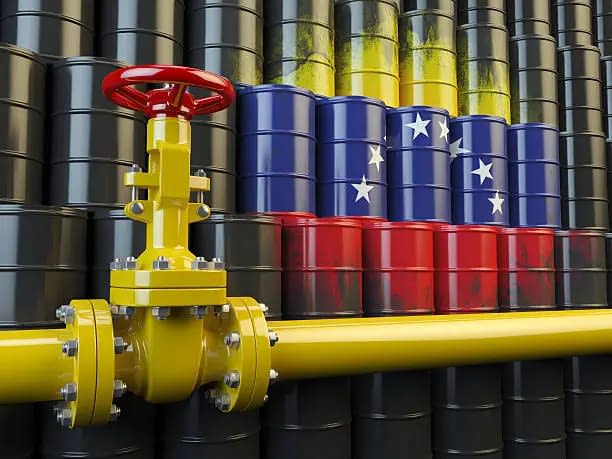
Why This Crisis Matters Beyond Oil
Although oil is at the center of this story, the implications stretch far wider.
1. Diplomatic Tension Between World Powers
Countries aligned with Venezuela may interpret the U.S. seizure as a provocation, potentially influencing global alliances and political negotiations.
2. Impact on Migration and Regional Stability
Tightened U.S.–Venezuela tensions often correspond with increased migration pressure, economic hardship, and social instability in the region.
3. Signals Toward Future U.S. Foreign Policy
This decisive action suggests Washington is adopting a more aggressive stance on global sanctions enforcement heading into the new year.
What Happens Next?
Most analysts predict several possible next steps:
- The U.S. formally auctions or redistributes the seized oil under sanctions law.
- Venezuela escalates diplomatically, possibly seeking support from allied nations.
- More tankers may be targeted, sending a strong message across global shipping routes.
- Oil markets remain choppy, driven by uncertainty and political risk.
Whether this crisis cools or intensifies will depend heavily on the responses from Caracas, Washington, and international partners in the coming days.
Conclusion: A Defining Moment in U.S.–Venezuela Relations
The White House’s confirmation that the U.S. will seize the tanker’s oil has already shaken global politics and markets — and the full impact is still unfolding. With accusations, warnings, and strategic moves on both sides, the world is watching closely as this story evolves into one of the defining geopolitical clashes of the year.
This is not just a maritime enforcement action.
This is a high-stakes geopolitical showdown with consequences that could echo for years.

Leave a Reply