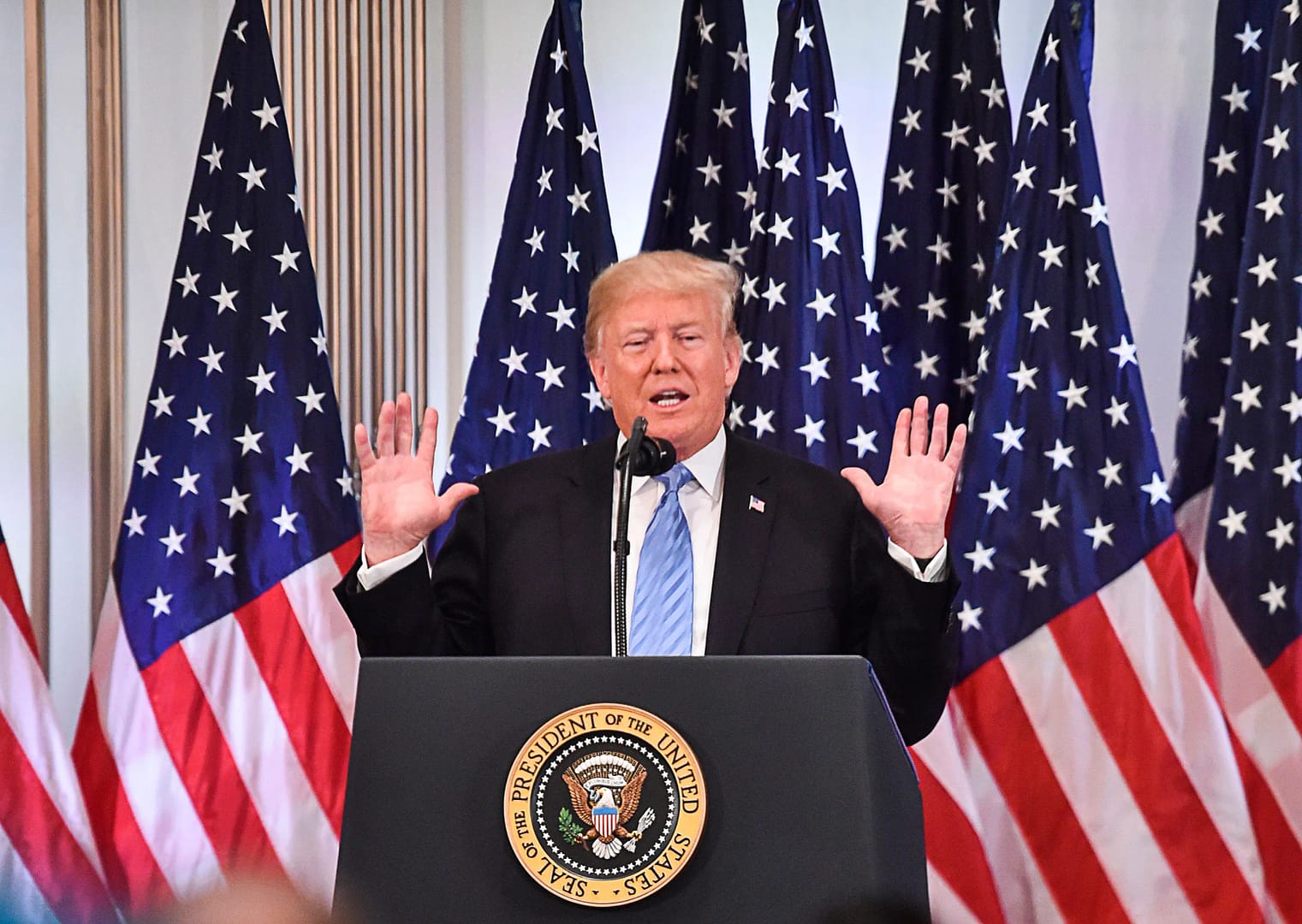
Trump’s Tariff Storm Hits U.S. Workers — Markets React Fast
U.S. markets tumble as Trump threatens new tariffs on China. Federal layoffs deepen the economic uncertainty, shaking Wall Street.
US Tensions Rise as Trump Targets China
U.S. financial markets were on edge Friday after President Donald Trump threatened to impose new tariffs on Chinese goods, reviving fears of a full-blown trade war. The announcement comes as the U.S. government shutdown enters its second week, heightening concerns about economic instability and job security for thousands of federal workers.
“China has taken advantage of the U.S. for too long,” Trump said in a press statement, warning of “massive tariffs” if negotiations don’t shift in Washington’s favor. The sharp rhetoric immediately rattled investors, sending major U.S. indexes into decline.
Stocks Drop as Investors React
The Dow Jones Industrial Average fell nearly 1.9%, the S&P 500 lost 2.7%, and the Nasdaq plunged by 3.6%. Analysts say the reaction mirrors the uncertainty of the 2018–2019 trade tensions, when tariffs shook global markets and slowed manufacturing growth.
Financial analysts warned that if tariffs are implemented, it could raise costs for American businesses, push consumer prices higher, and reduce corporate earnings — a toxic mix for an already nervous Wall Street.
“Markets hate uncertainty. A renewed tariff war with China could easily derail economic recovery momentum,” said a senior strategist at a major investment bank.
Layoffs Add to the Economic Pressure
At the same time, federal agencies have begun rolling out layoff notices to workers as the shutdown drags on. Nearly 900,000 federal employees have been furloughed, with hundreds of thousands more expected to face delayed paychecks.
Economists say that the combination of government layoffs and tariff threats is the kind of “double shock” that can weaken consumer spending and harm U.S. GDP growth.
This pressure comes at a moment when inflation is showing signs of cooling but remains above the central bank’s long-term target, leaving the Federal Reserve System in a difficult position.
China Responds — Markets Brace for Next Move
China’s Ministry of Commerce quickly issued a warning that it would “respond firmly to any hostile tariff actions.” This sets the stage for another escalation that could impact global trade, manufacturing supply chains, and import prices for U.S. consumers.
Global investors are closely watching upcoming policy meetings and earnings calls from major companies to gauge how tariffs might impact corporate forecasts for Q4.
“Any retaliation from Beijing could push the U.S. into a volatile market cycle,” noted one trade economist.
What It Means for Investors and Businesses
- Higher costs for companies reliant on imported materials and goods.
- Rising consumer prices in sectors like technology, retail, and manufacturing.
- More job uncertainty as businesses adjust to new tariff realities.
- Volatile stock market conditions as investors shift to safe-haven assets like gold.
- Potential slowdown in Q4 GDP growth if the shutdown and tariffs overlap too long.
Experts suggest businesses prepare for supply chain disruptions and hedge against currency volatility.
Gold and Bonds Surge as Investors Flee to Safety
As stocks tumbled, gold prices jumped to a new all-time high, and U.S. Treasury yields dipped — a clear sign that investors are shifting away from riskier assets. Traders say that if political tensions deepen, we could see further inflows into safe-haven assets.
Bottom Line
The combination of Trump’s tariff threats, a government shutdown, and federal layoffs is creating the perfect storm for market volatility. For now, Wall Street is on alert, and businesses are watching carefully for signs of escalation.
As trade talks unfold and political standoffs continue, the U.S. economy faces heightened uncertainty heading into the final quarter of the year.
https://www.theguardian.com/us-news/2025/oct/11/trump-administration-news-updates-today?utm

Leave a Reply