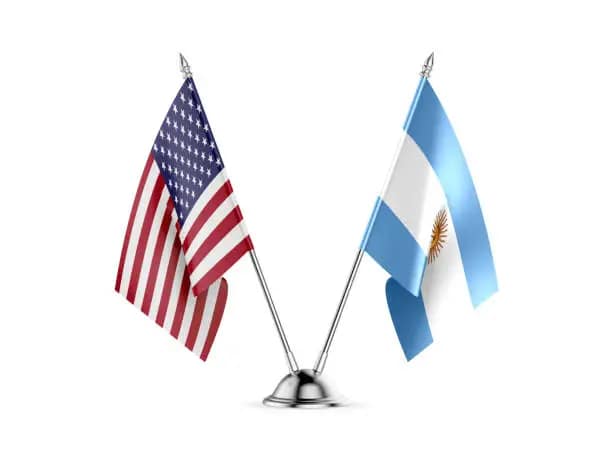
U.S. $20 Billion Lifeline to Argentina Sparks Bold Strategy
U.S. shocks markets with a $20B lifeline to Argentina. A bold economic strategy aimed at strengthening alliances and stabilizing markets.
🇺🇸 A $20 Billion Lifeline That Shook the Markets
The U.S. government has made a surprising and powerful economic move: a $20 billion financial lifeline to support Argentina. The announcement came after high-level meetings between top finance officials, signaling a bold new strategy in global economic partnerships.
According to Treasury Secretary Scott Bessent, the U.S. will purchase Argentine pesos to help stabilize Argentina’s struggling currency and strengthen bilateral ties. This lifeline isn’t a bailout — it’s a strategic investment aimed at building influence and stabilizing trade.
Why the U.S. Is Backing Argentina
Argentina has been struggling with high inflation, a weak peso, and pressure on its foreign reserves. Many analysts believe this U.S. move aims to:
- Counter growing Chinese influence in Latin America.
- Stabilize Argentina’s currency to prevent further economic collapse.
- Strengthen U.S. ties with a key regional partner.
- Protect U.S. trade routes and market interests in South America.
This is not just about one country’s economy — it’s about shaping global economic alliances in a time of rising geopolitical competition.
“This deal is about more than pesos and dollars. It’s about the balance of power,” said one senior trade analyst.
Markets React — and Fast
Global markets moved sharply following the announcement. Investors saw this as a sign of renewed U.S. engagement in emerging markets.
- The Dow Jones Industrial Average rose modestly in early trading.
- Emerging market currencies strengthened.
- U.S. Treasury yields dipped slightly as investors adjusted risk expectations.
- Commodity prices — especially soybeans and grains — jumped, since Argentina is a major agricultural exporter.
This reaction reflects a surge in confidence that the U.S. may use financial strategy to counter global economic instability.
How the Deal Works
Think of this lifeline like the U.S. lending its friend a hand before they trip.
- Argentina’s peso is weak.
- The U.S. buys pesos, giving Argentina dollars.
- Argentina now has stronger reserves and a more stable currency.
- Investors feel safer, markets calm down.
- In return, the U.S. gains stronger trade and political influence.
It’s like boosting your friend’s confidence before a big test — everyone else watching starts trusting them more too.
A Bold Strategic Shift
This move also signals a shift in U.S. global strategy:
- It focuses on economic partnerships instead of just military or political influence.
- It sends a message to countries leaning toward China that the U.S. can offer real financial support.
- It strengthens supply chains and trade corridors in the Western Hemisphere.
- It helps protect the U.S. economy from global shocks by stabilizing a key partner.
This may be the first of several strategic financial lifelines to reshape how the U.S. builds alliances.
What It Means for Investors and Businesses
For American and global investors, this move has several implications:
- More stable emerging markets: This could make Latin America more attractive for investors.
- Commodities surge: Argentina is a big player in agriculture, so U.S. companies connected to food, farming, and energy may benefit.
- Stronger U.S. dollar diplomacy: This shows Washington is willing to act fast in global finance.
- Potential U.S. export growth: A stronger Argentina may import more U.S. goods.
Businesses tied to trade, commodities, finance, and logistics should keep an eye on further announcements from the United States Department of the Treasury.
Argentina’s Response
Argentina’s President Javier Milei welcomed the U.S. support, calling it a “historic step toward economic recovery.”
His administration said the funds would be used to stabilize the currency, pay down critical short-term debt, and support growth plans. Argentina’s central bank also signaled plans to boost monetary reserves and strengthen its financial system.
This immediate show of confidence could help slow inflation, build investor trust, and open trade doors.
Bottom Line
The $20 billion lifeline is not just about Argentina — it’s a strategic economic chess move by the U.S.
- Short-term: stabilizes Argentina’s currency, boosts markets.
- Mid-term: strengthens U.S. trade influence.
- Long-term: builds a new model of U.S.-led economic alliances.
With rising global tensions, this bold step could redefine how the U.S. uses economic power to lead, not just react.

Leave a Reply